
Restoration Projects
Regional Terraforming is building a portfolio of hands-on restoration work across the Pacific Northwest — starting close to home in Oregon's Willamette Valley. Every project here is real ground we're healing: rebuilding native habitat and bringing back the plants and wildlife that belong on the land. This page grows as the work does — here's what's active now, and what's coming.
Projects led by Steven Westbrook, M.S. Environmental Sciences (Oregon State University), B.A. Natural Sciences (CSU Chico).
Active Projects
Several areas of work are underway, ALL start from the same principle — restore the living systems so the land recovers
The Scio Home Site — Our Living Lab
Before a method reaches a client's land, it's tested here first. Our home acreage near Scio, in Oregon's Linn County, is a working proof-of-concept where every technique gets tested, documented, and refined across seasons. It's why our recommendations come from experience, not theory alone
Learn about building a native “Zen” garden
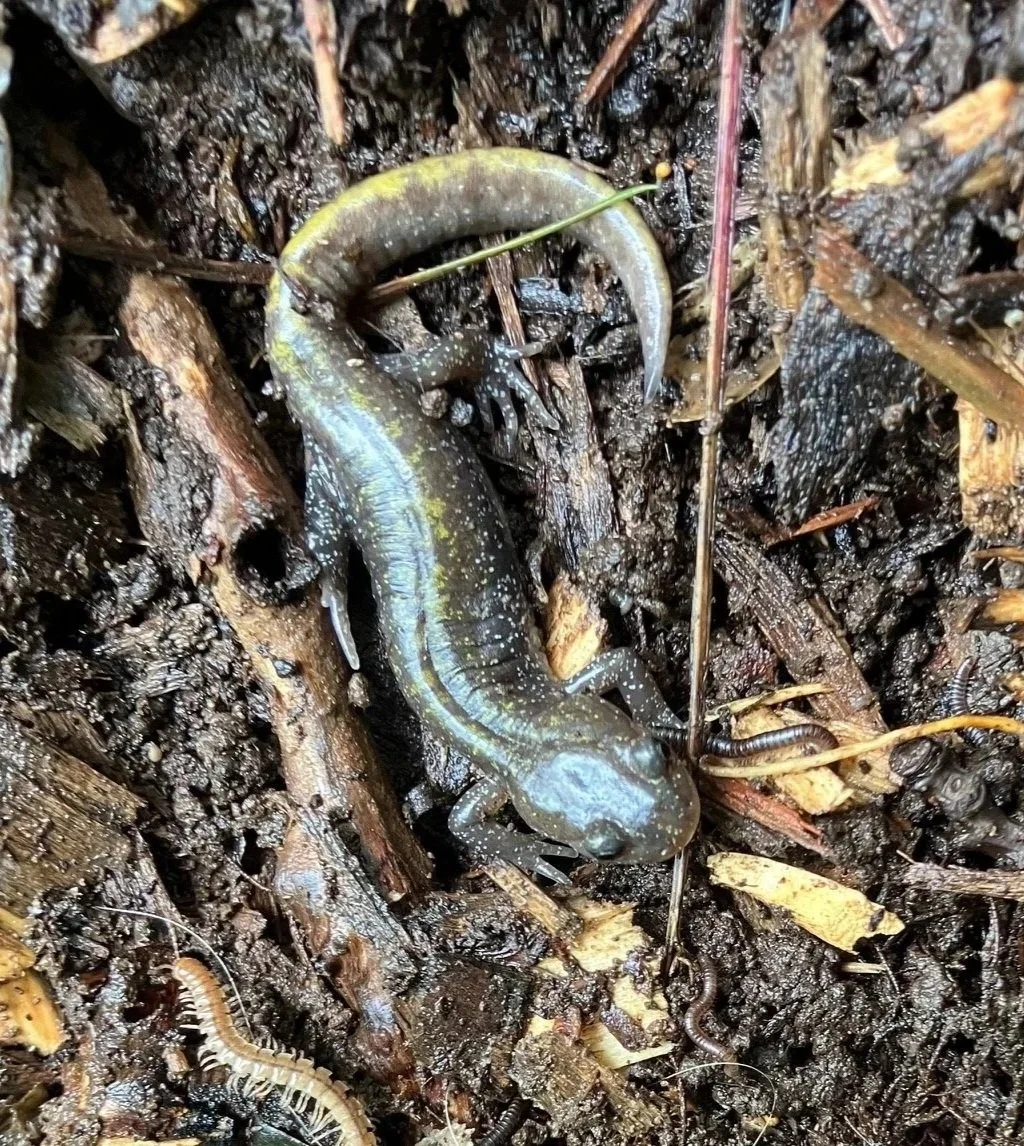
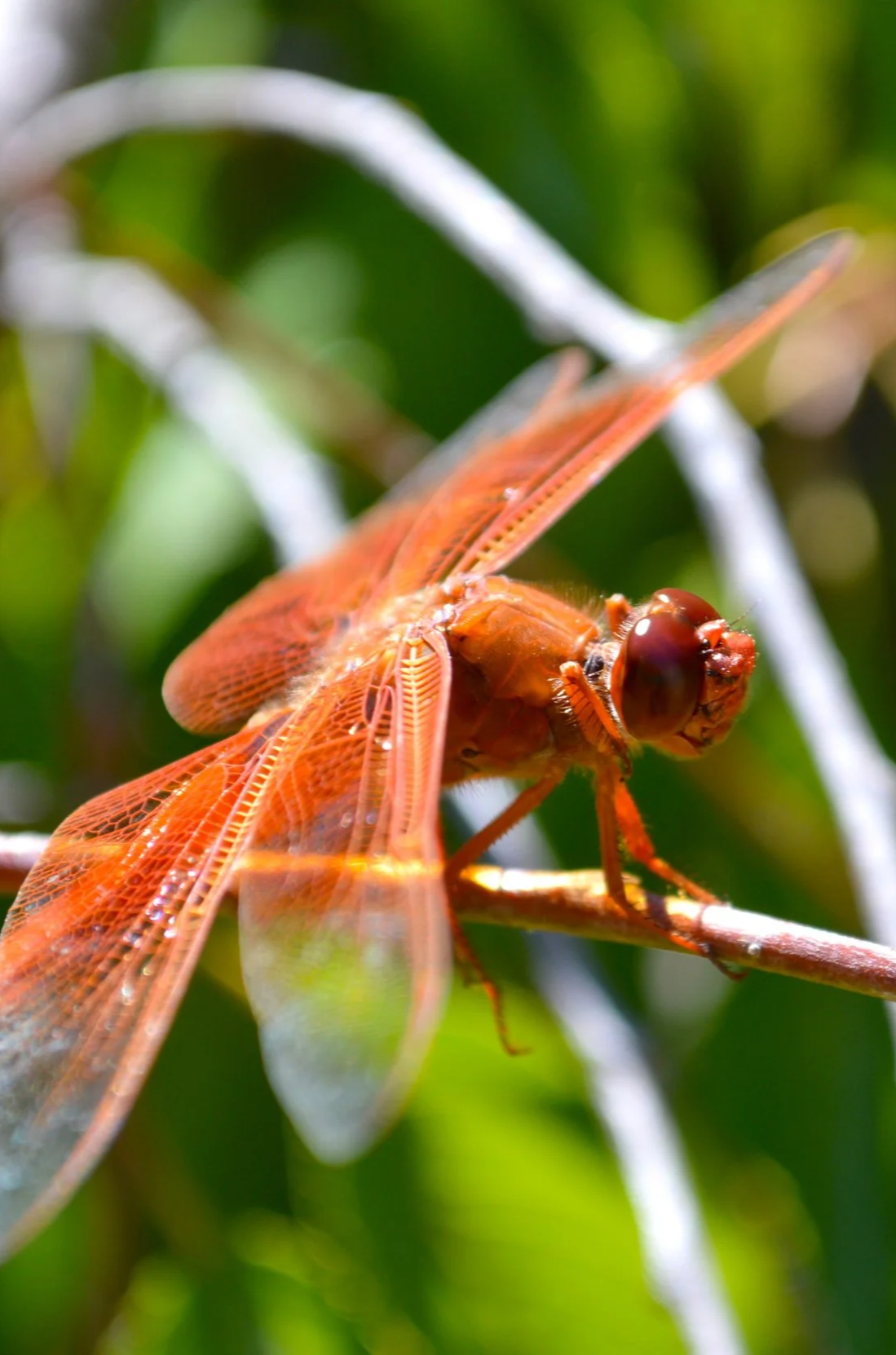
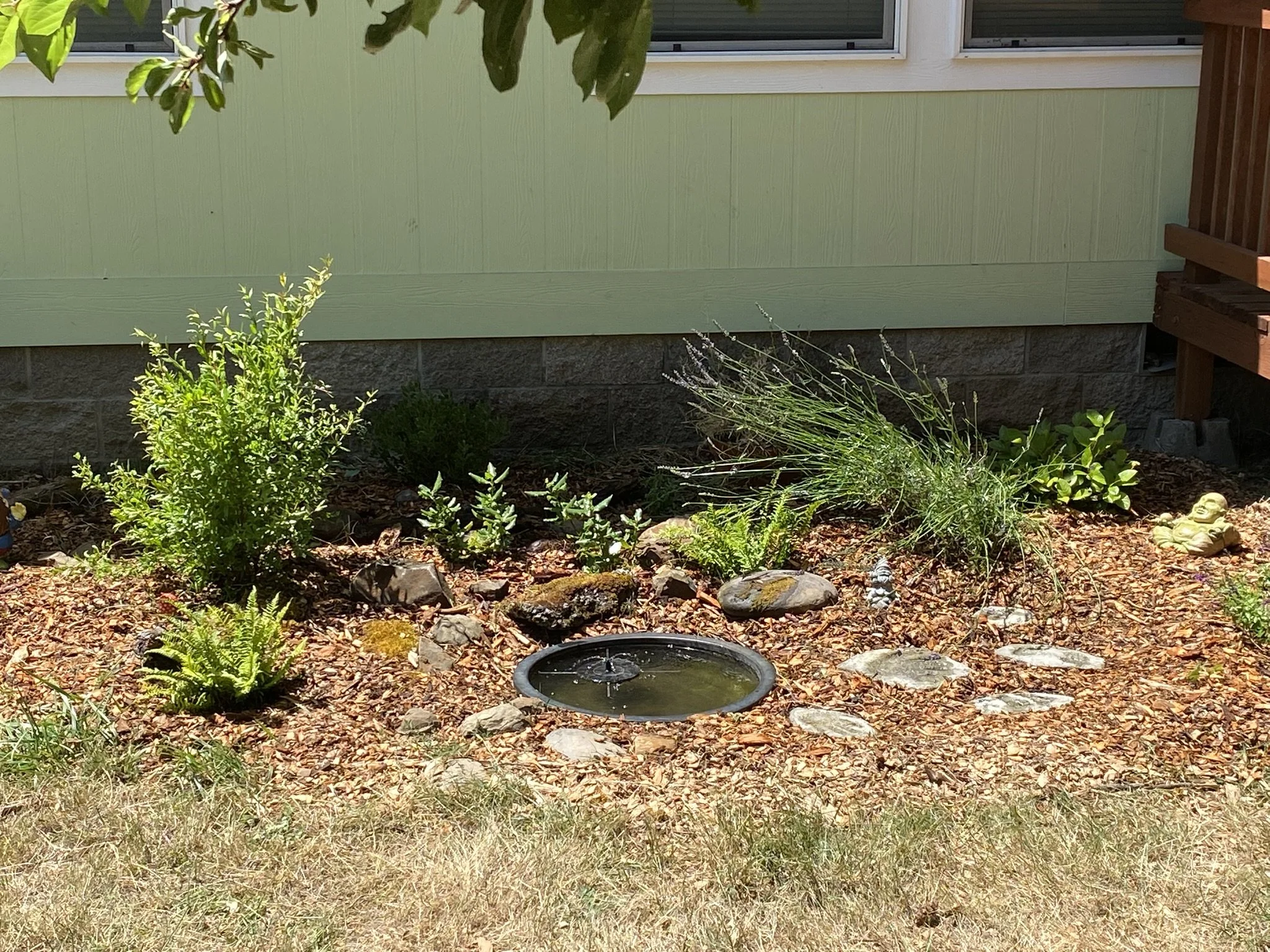
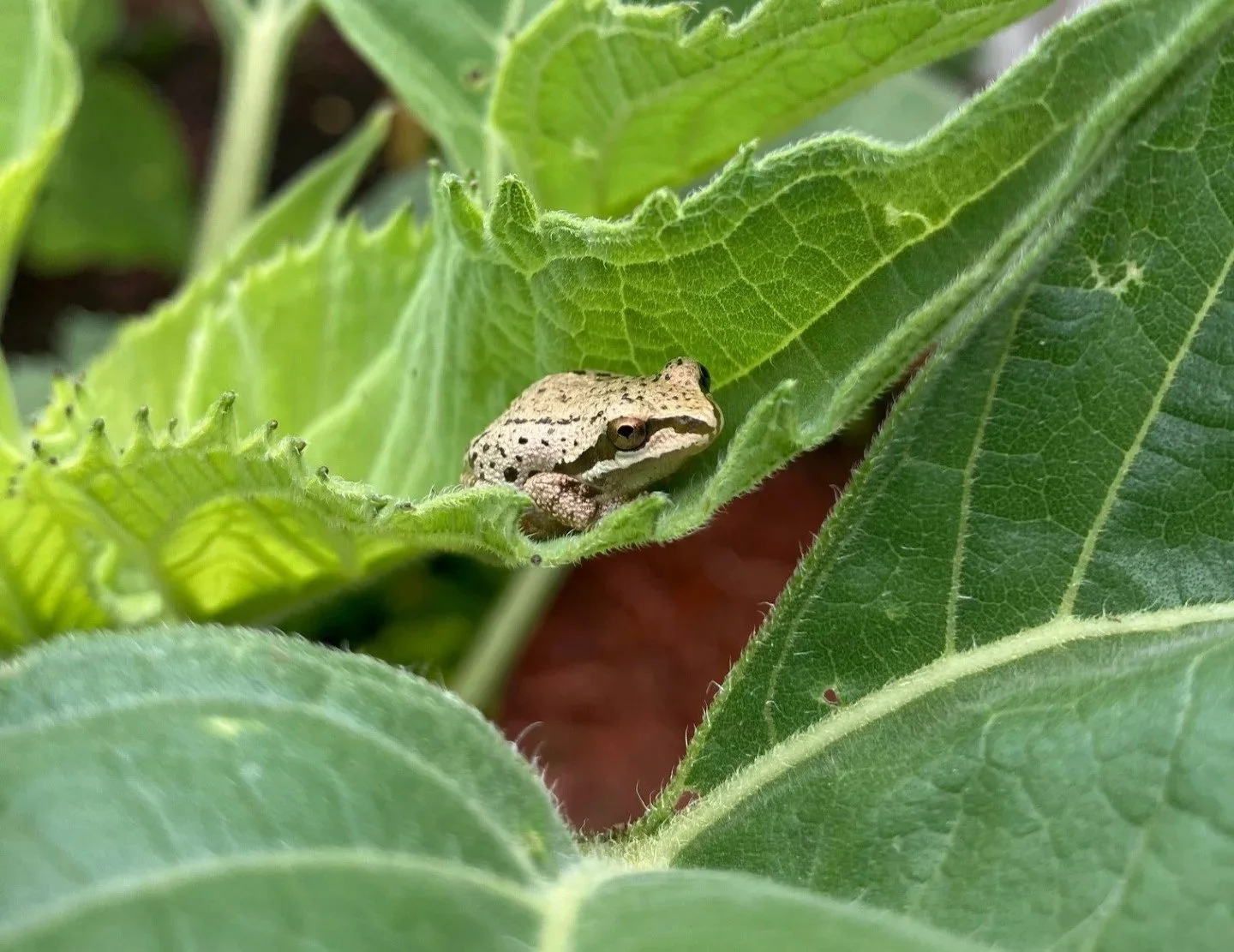
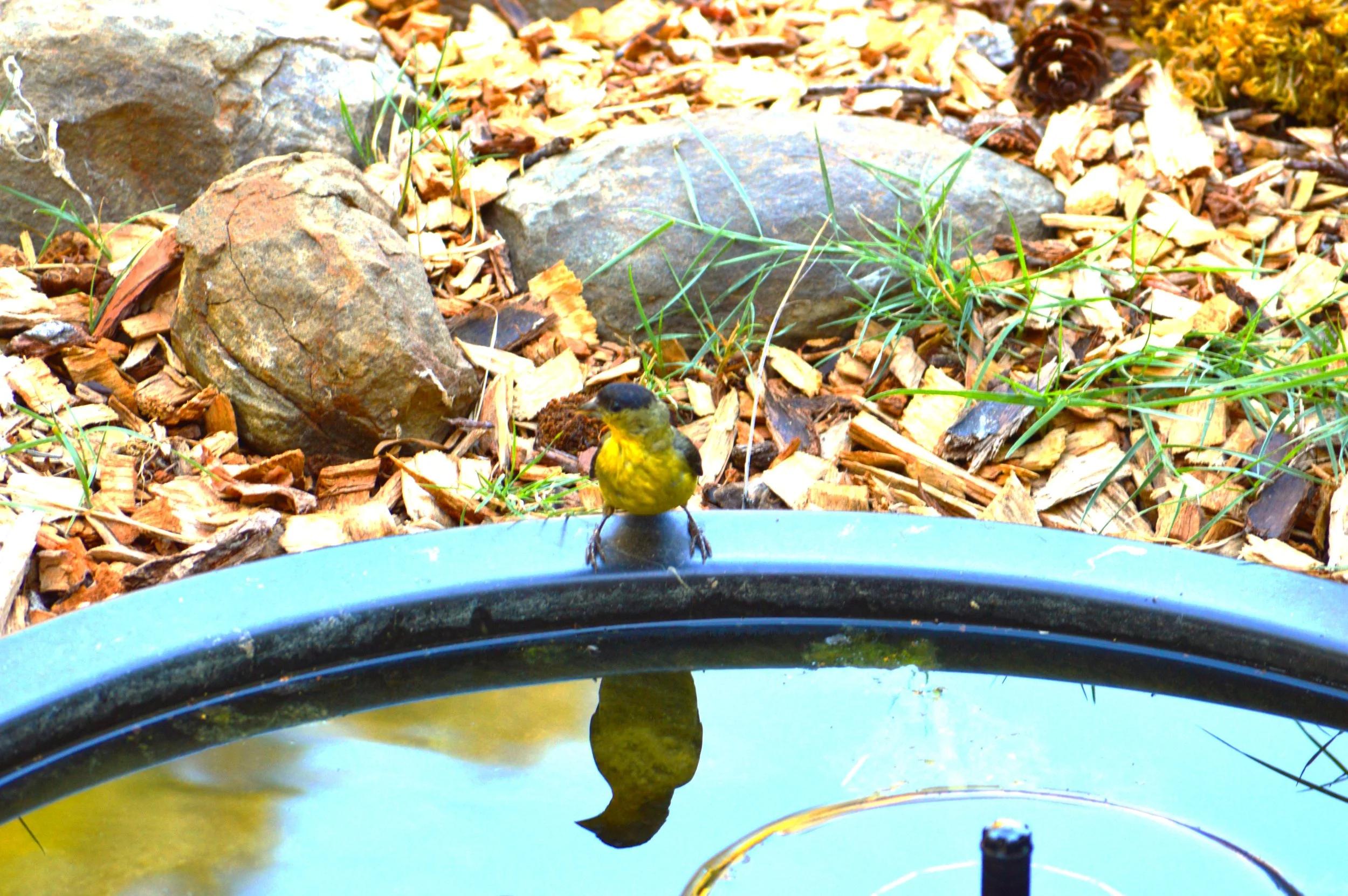
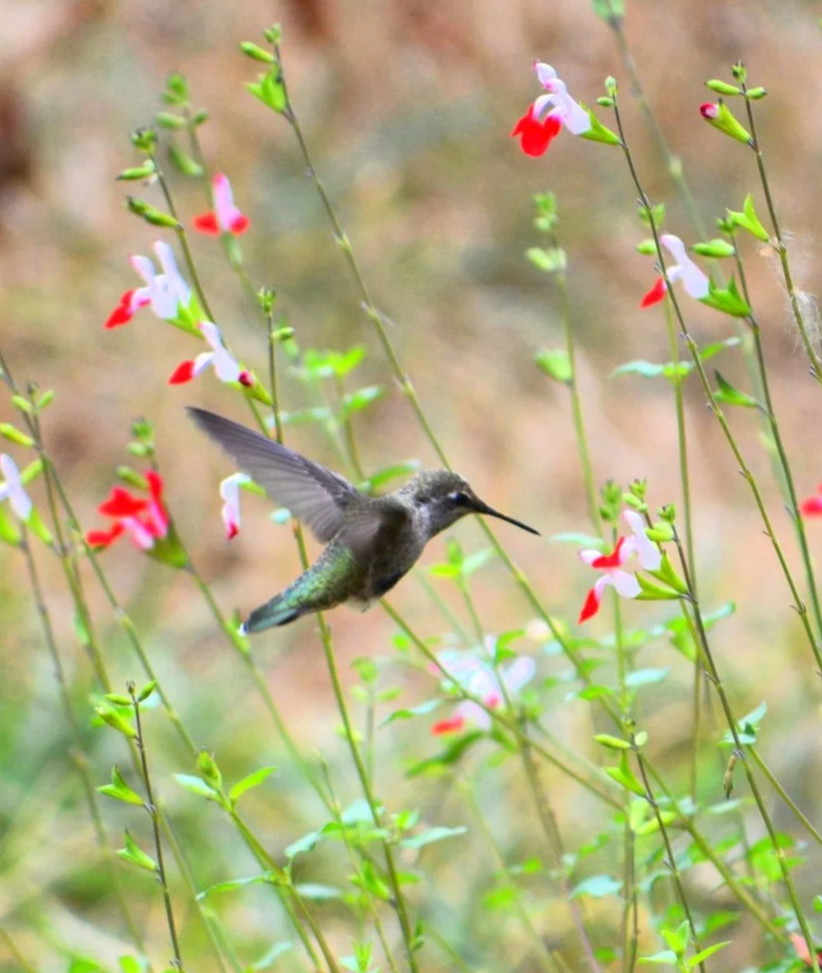
Minimal inputs can be used to transform a space. Never underestimate what a few native plants, water feature, pond (literally the smallest one I could find), and mulch can do. This space was once nothing but invasive grass and hardened clay. Now it crawls with native life. Read more below….
Building a “Zen” garden, and keeping it simple
The concept of a zen garden may be different from my loose use of the term “zen” garden. Traditional Japanese dry landscape gardens, or karesansui, developed within Japanese Buddhist and Zen traditions and often use carefully arranged rocks and gravel or sand to represent elements of nature. Some of the most famous examples, such as the garden at Ryoan-ji in Kyoto, date back to the medieval period and were designed as spaces for contemplation.
Mine is definitely not an authentic karesansui garden. I’m borrowing the idea of creating a simple, peaceful space for contemplation, but I've taken the concept in a very different direction. Rather than sand and rakes, I’ve prioritized native plants, a simple water feature, and the all-important mulch. The rest is history — in fact, a very short history — considering I made what you see here in a single growing season that started only months prior after I moved in.
When I arrived, this was a barren patch of gravel, clay, and invasive grasses. I wanted to see how much life I could bring into a very small space, on budget, with minimal maintenance.
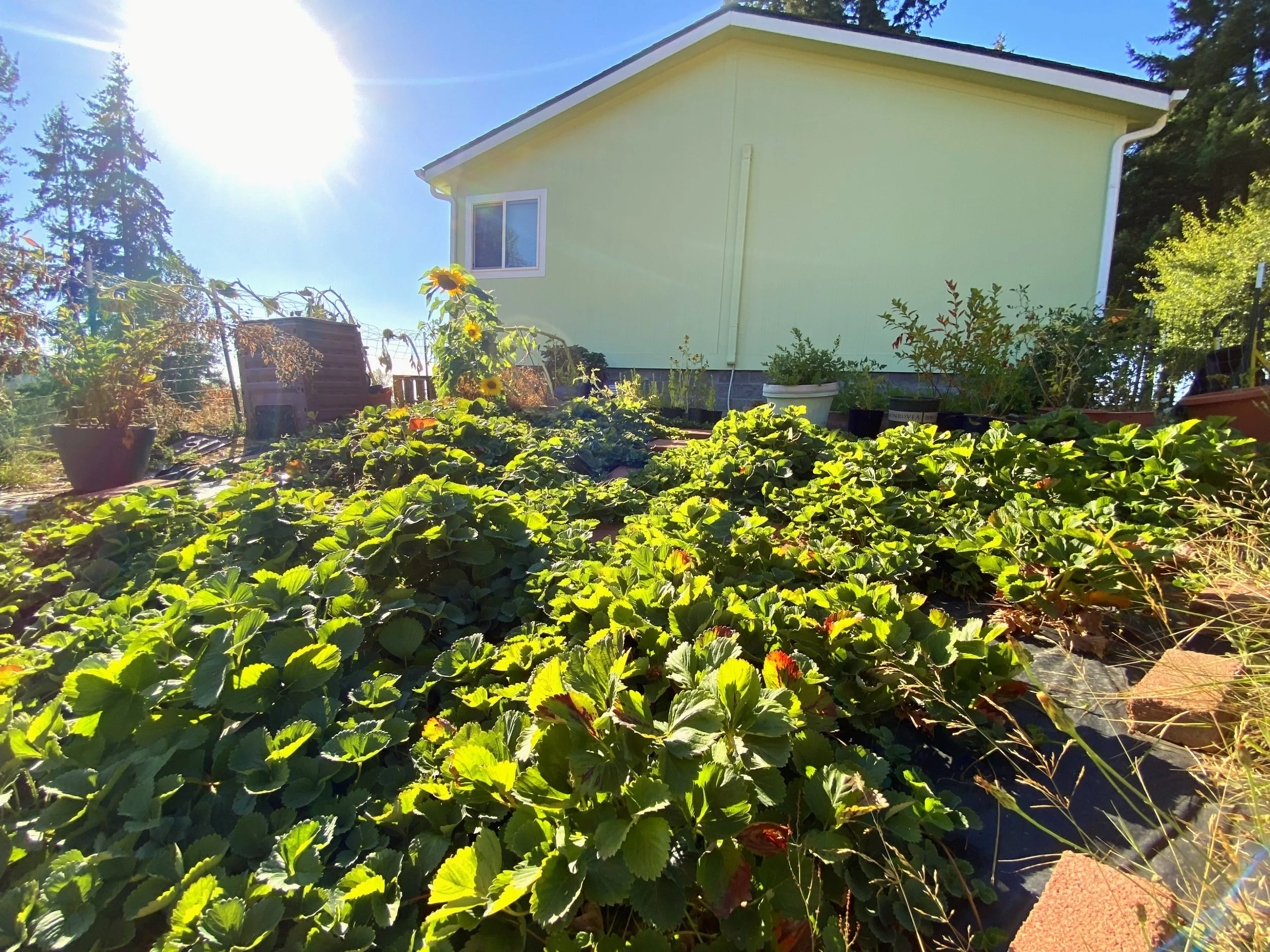
2. Strawberry Hill, Organic Garden, and Native Nursery
3. Stairway to Heaven and Native Species Reintroduction
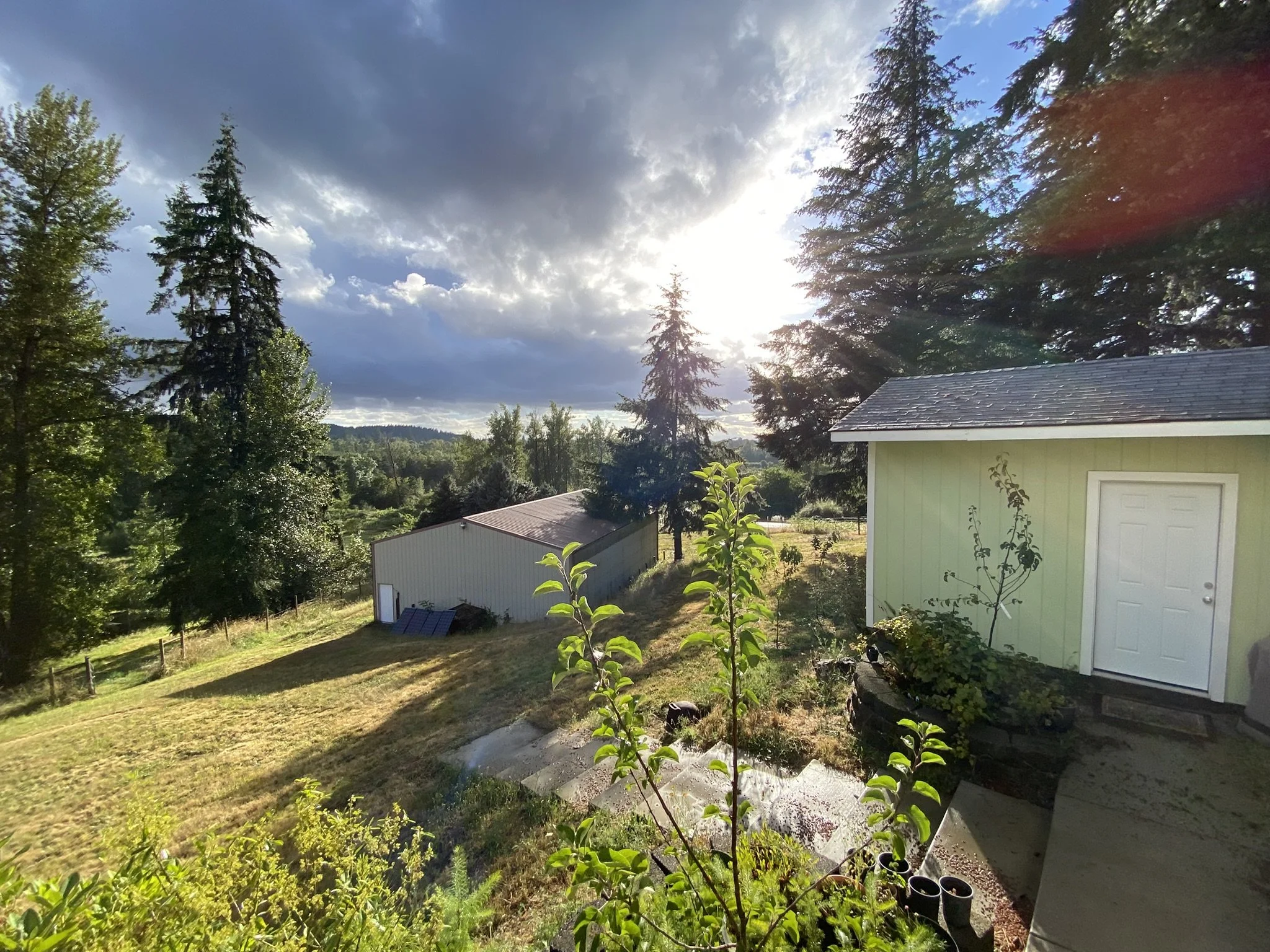
4. Forest Fragment Restoration & Invasive Species Removal
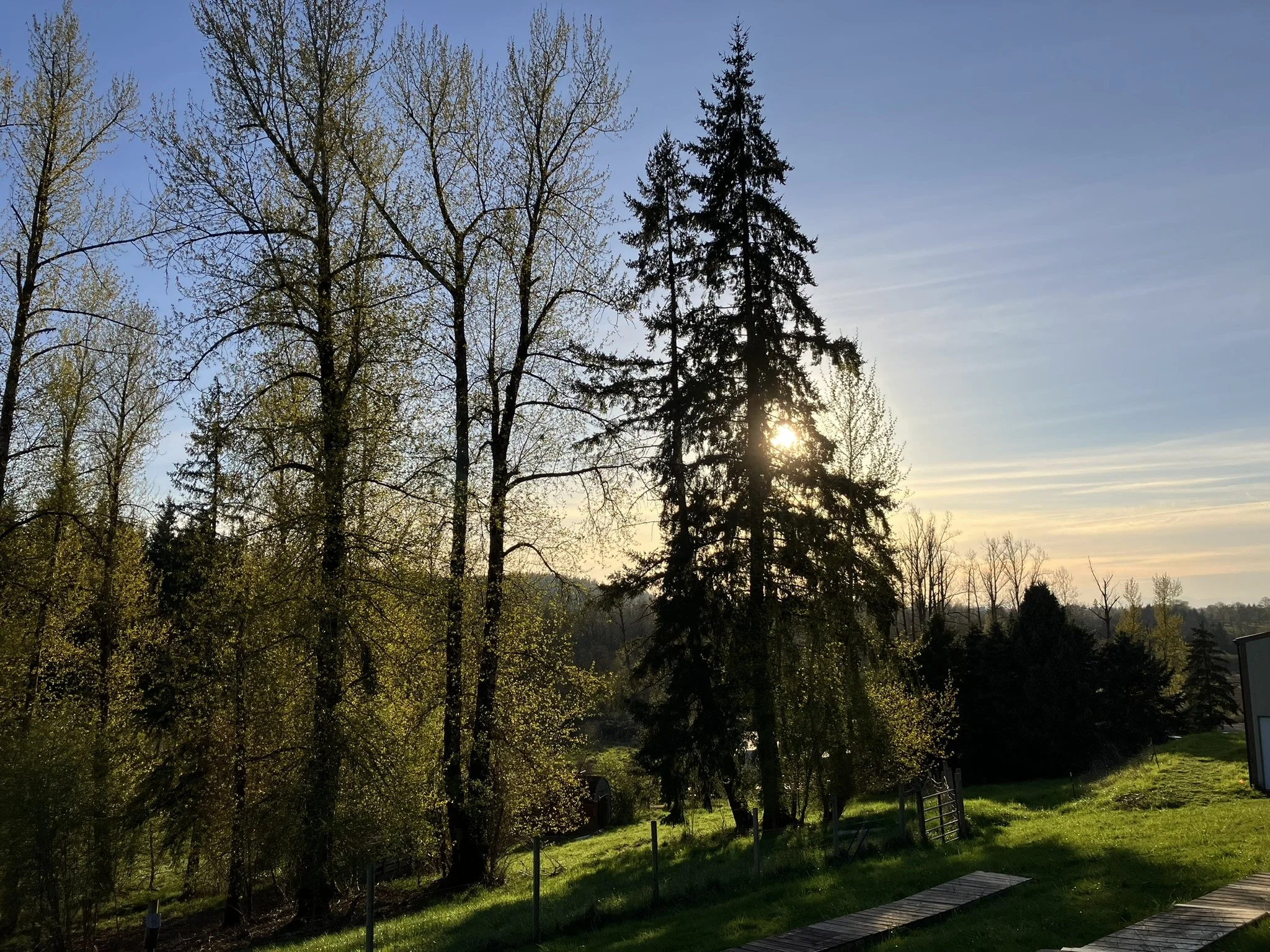
Cottonwood, Douglas Fir, Oregon White Oak, Western Red Cedar, and more native plants on what remains of the forests that once covered the property. Habitat restoration is my goal, starting with the removal of Himalayan blackberries, thistle, and wild carrot.
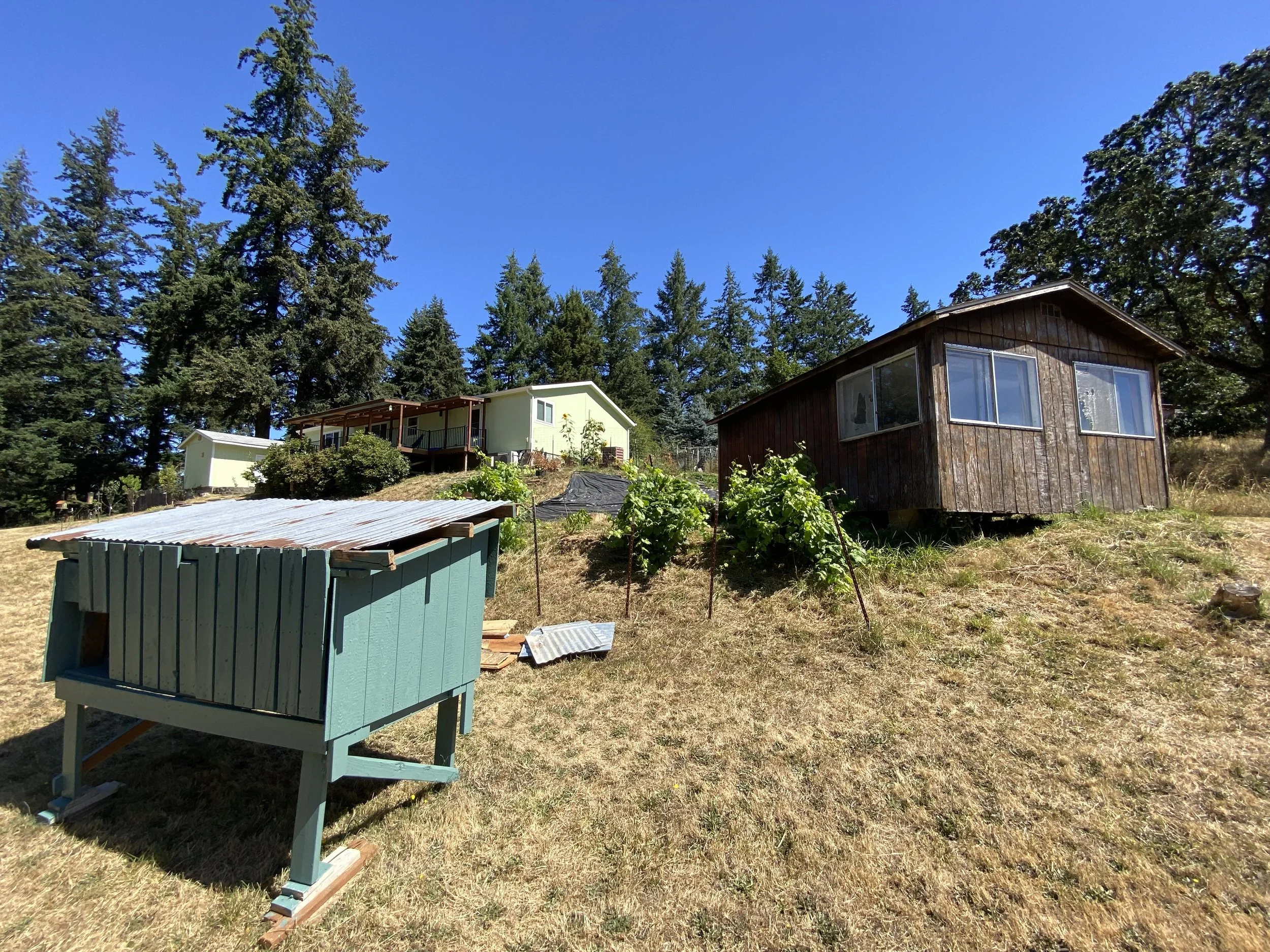
6. Terraced Gardens (coming soon)
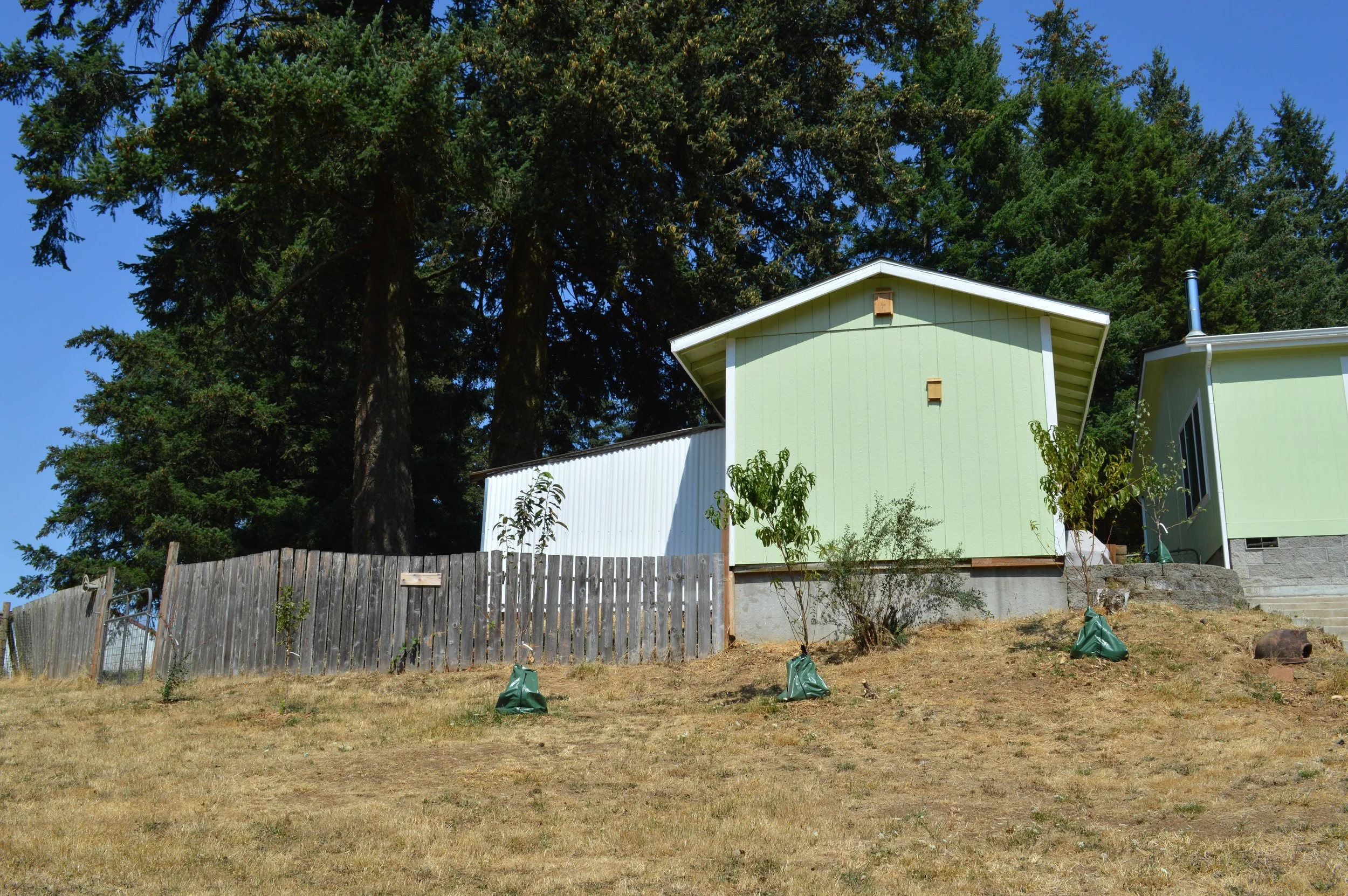
We’ve planted peach, pear, apple, pluot, and cherry trees in poor soil that is subjected to erosion on the hillside. I plan to add terraced gardens in several areas including here, to keep soil in place.
Have Land That Needs This?
If your property could use habitat restoration or you want to bring native species back to your land, let's talk. Book a consultation and we'll walk your site, assess what's possible, and map a staged plan.