
The Complete Guide to Pacific Northwest Habitat Restoration
Habitat: The Four Habitat Spokes
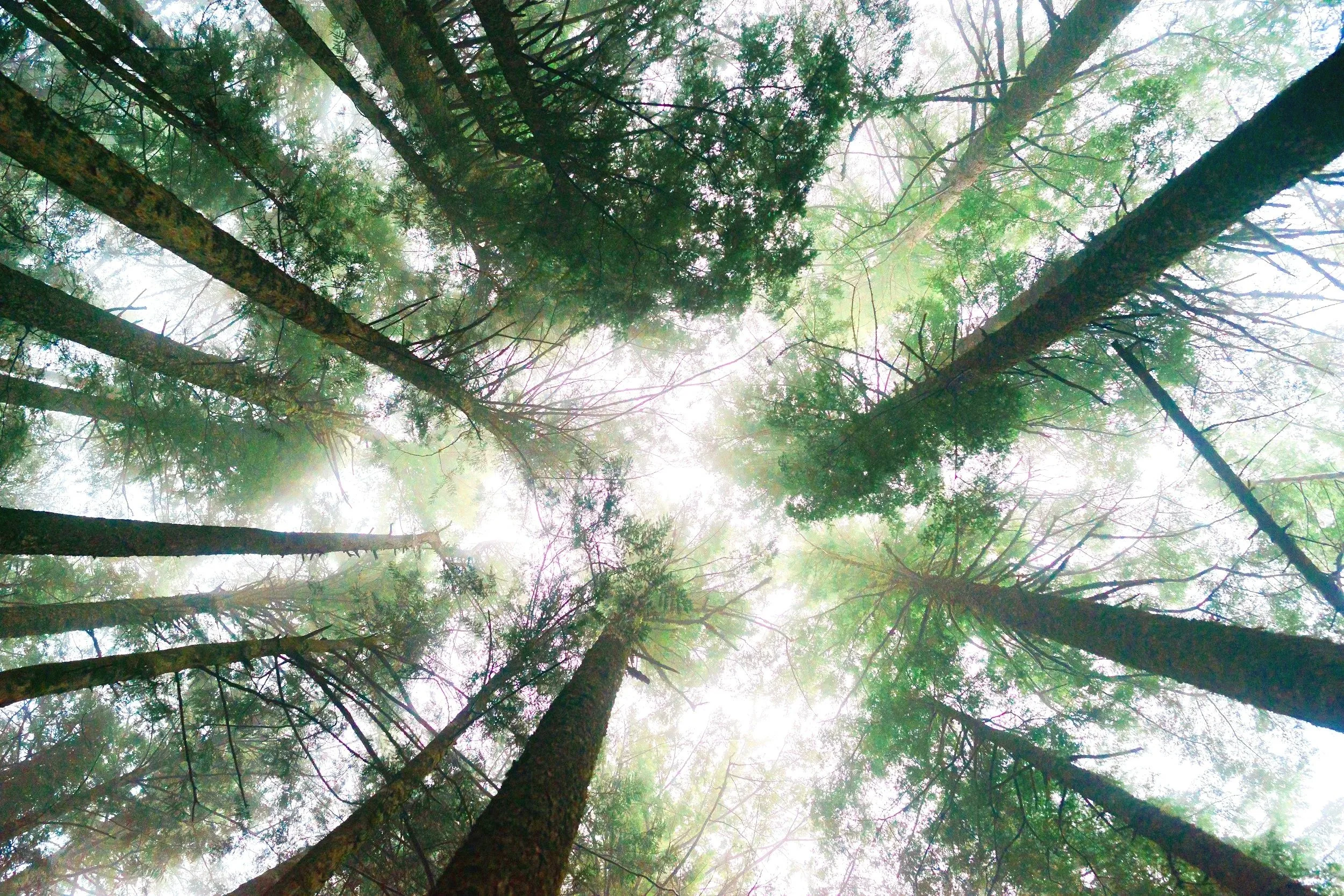
The Pacific Northwest is impacted by many issues: centuries of land development, aggressive invasives, and the salmon-bearing watersheds that need further restoration. The Pacific Northwest, west of the Cascades, is a land of abundance and excess — mild, wet, and fast-growing, which means both native habitat and aggressive invaders thrive here. Restoring it is less about adding water and more about propagating what is already there.
5 Keystone Northwest Natives for Fast Habitat Recovery
A handful of species do most of the heavy lifting in a recovering Northwest landscape. This guide covers the anchor natives — like Douglas fir, western red cedar, red alder, and Oregon white oak — that rebuild structure and feed wildlife fastest. Other species, like Kincaid’s Lupine, are not only beautiful but provide food and habitat for native species - especially pollinators.
The No-Spray Guide to Beating Himalayan Blackberry & English Ivy
The two invaders that swallow Northwest land. Here's how to knock them back and keep them back using cutting, smothering, and replacement planting instead of chemicals.
Beyond the Lawn: Planting for Native Northwest Pollinators & Birds
Turning turf and bare ground into habitat that actually supports native bees, butterflies, and birds — which plants to use and how to layer them. Others want a different approach like permaculture or regenerative agriculture, for example those that prefer to “grow food not lawns”
Restoring the Lost Willamette Prairie on Small Acreage
Oak savanna and native prairie once covered the valley. This is how to bring a piece of that rare ecosystem back on even a small property, like mine!
Endangered & At-Risk Wildlife
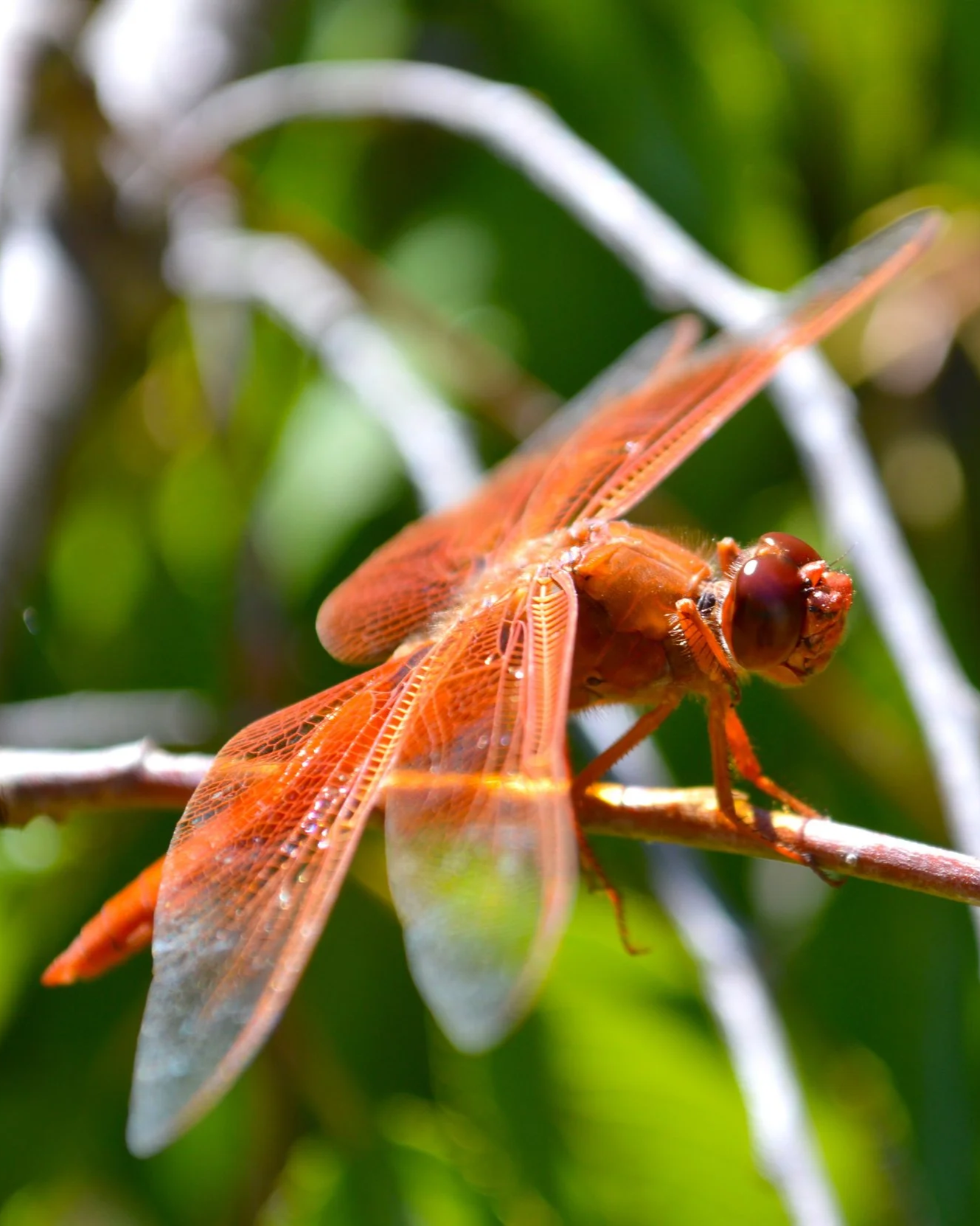
The Pacific Northwest's forests, prairies, and salmon streams shelter creatures found nowhere else — and many are now hanging on by a thread. Habitat loss is the common thread behind nearly every one, which means the restoration work on this page isn't abstract: rebuilding native habitat is how these animals come back. Here are some of the species whose survival is tied to the land we help restore.
The northern spotted owl and marbled murrelet depend on the old forests we're trying to keep standing, while the streaked horned lark and western snowy plover cling to the open prairies and shorelines that development has nearly erased.
Birds
The Oregon spotted frog, the region's most aquatic native frog, has vanished from most of its range as wetlands were drained; the Cascades frog and Oregon slender salamander are slipping for similar reasons. Amphibians breathe through their skin, so when they disappear, the land is telling you something.
Frogs & Amphibians
The Fender's blue butterfly survives only where its host plant, Kincaid's lupine, still grows in Willamette Valley prairie — which is exactly why our prairie-restoration work is, quite literally, butterfly-restoration work. The Oregon silverspot and Taylor's checkerspot face the same prairie-loss story.
Butterflies & Pollinators
Several runs of salmon and steelhead are federally protected, and their survival rides on cool, clean, unblocked streams. The Columbian white-tailed deer and Pacific fisher are recovering natives that return as habitat does.
Fish & Mammals
Soil Challenges: How to Restore Waterlogged and Compacted Northwest Soil
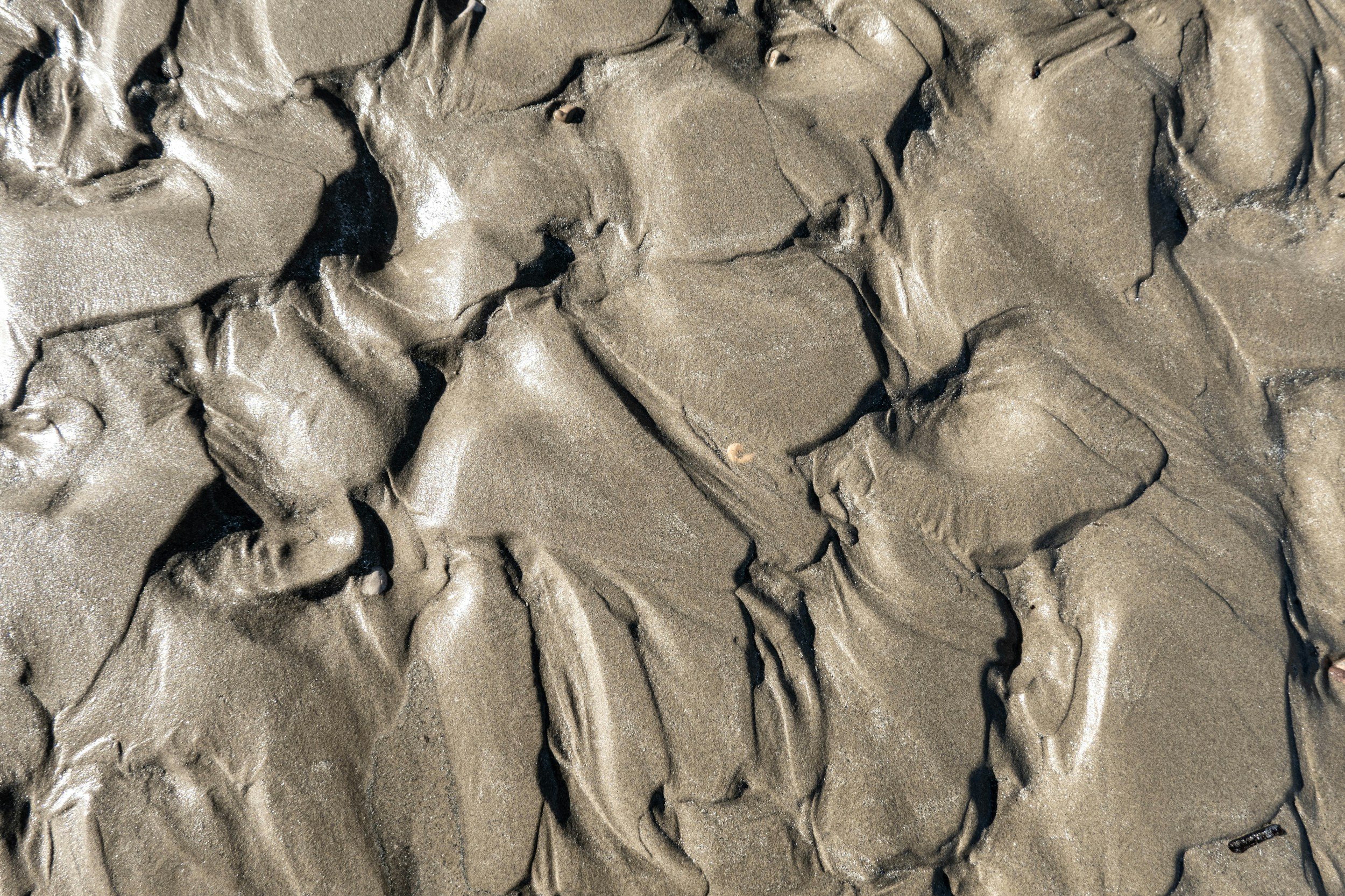
Taming Wet Clay: Building Drainage & Tilth West of the Cascades
Why Northwest clay stays soggy, and how to open it up with organic matter, deep roots, and the right earthworks instead of fighting it. Some native plants grow better in these types of soils compared to others, and breaking up the soil over time with conditioners like mulch becomes imperative.
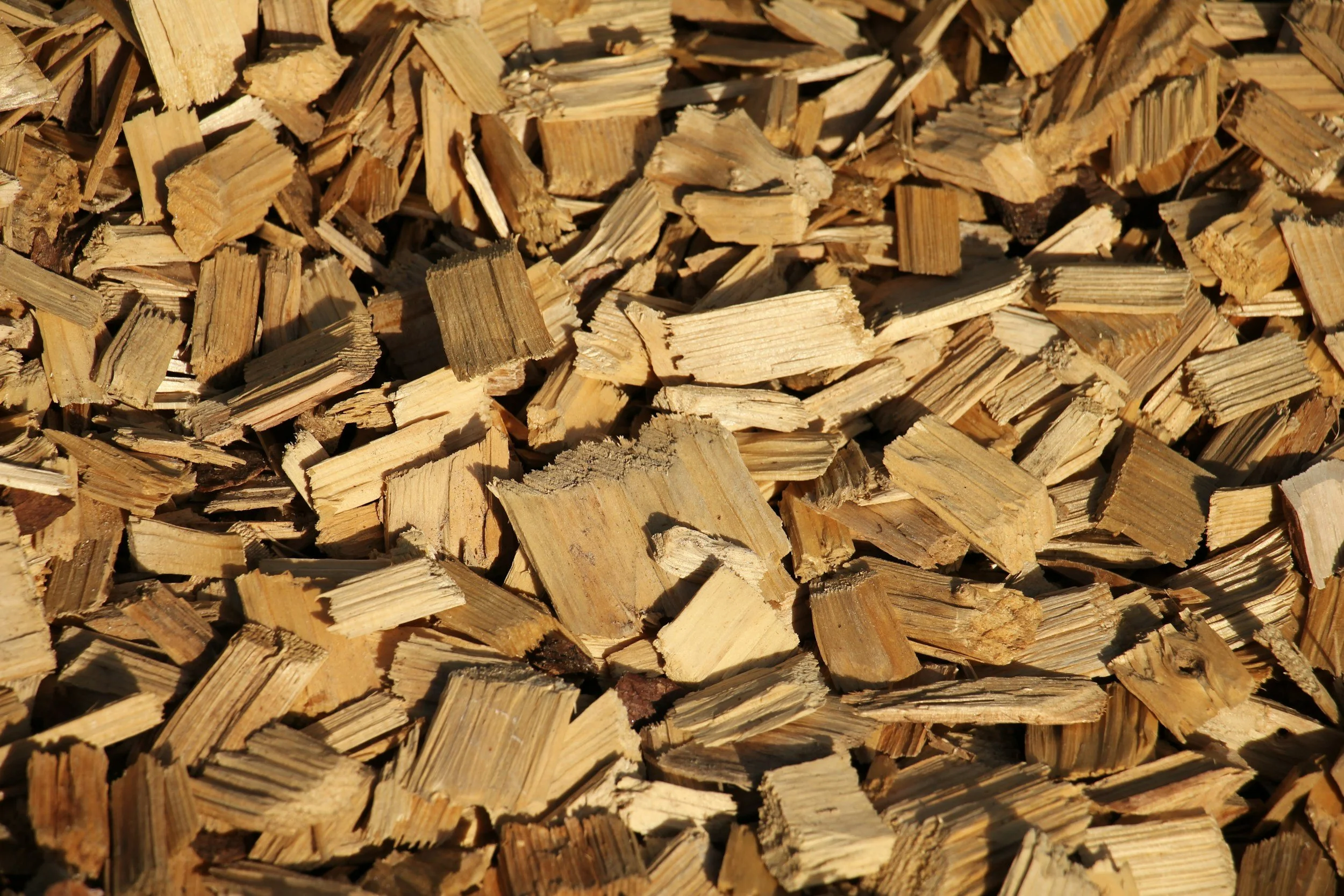
Winter Cover & Wood Chips: Year-Round Soil Building in the Rain
Keeping soil covered and fed through nine months of wet — cover crops, wood-chip mulch, and living roots that build topsoil while you sleep. Rain and other forms of precipitation, provide constant weathering in the Pacific Northwest. Rather than losing your top soil to runoff, provide your habitat with cover crops or a mulch that can introduce vital nutrients to the microenvironment of the soil. Watch as life flourishes within the environments you helped restore and preserve!
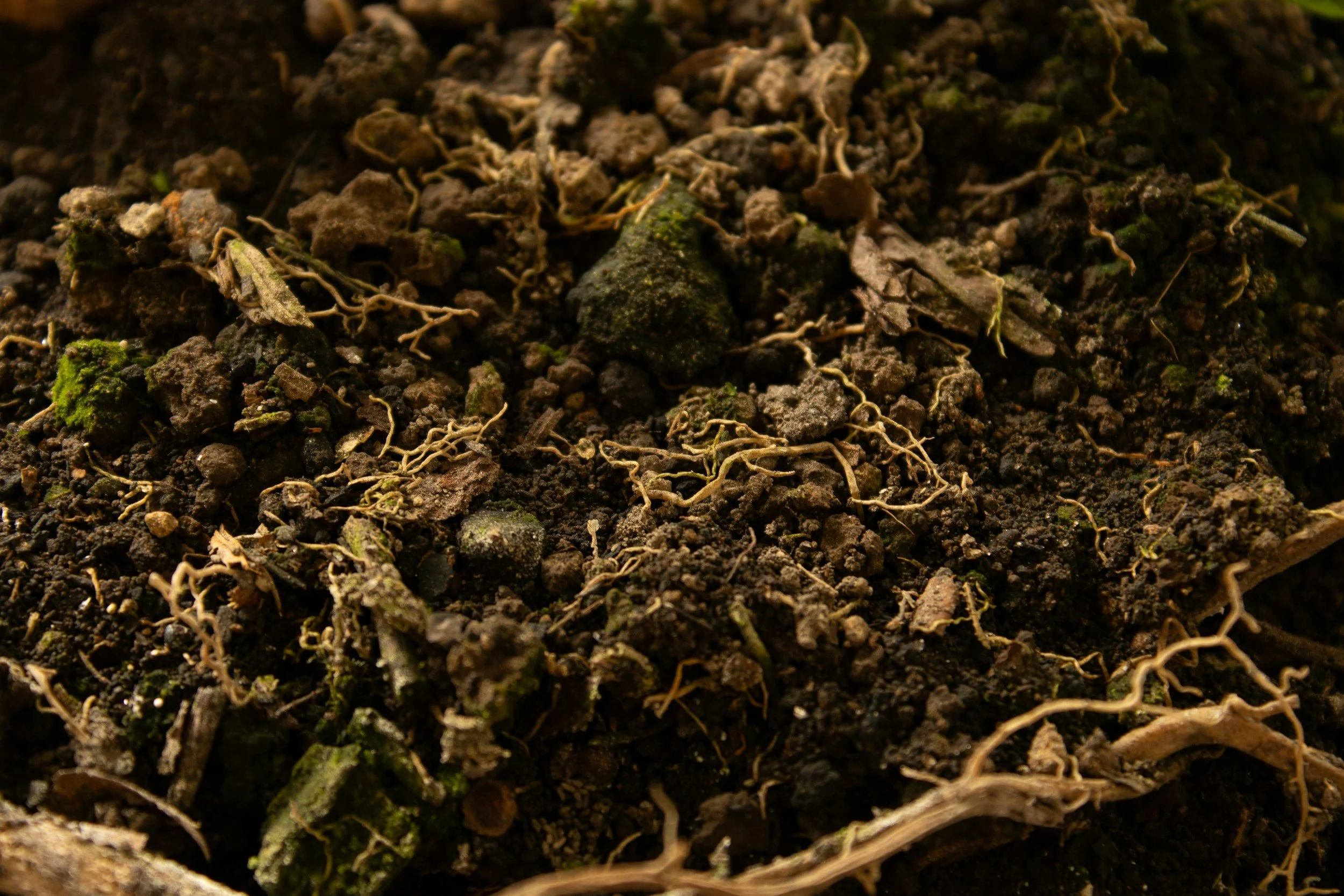
Sweetening Sour Ground: Managing Acidic Northwest Soil Naturally
Our high rainfall leaves soils acidic. How to test for it and gently raise pH without dumping synthetic inputs.
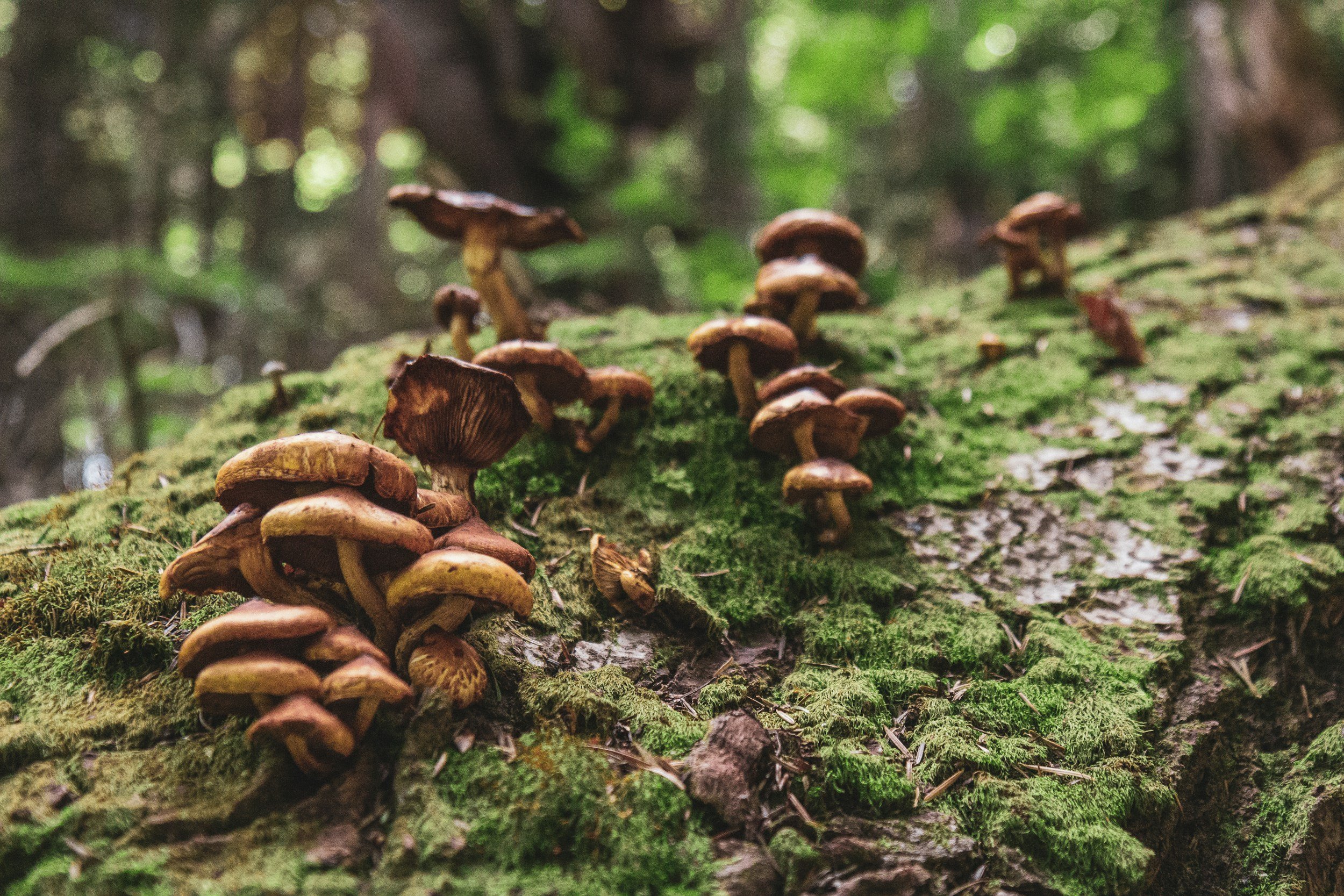
Feeding the Forest Floor: Rebuilding Fungal Networks in NW Soil
Northwest forests run on fungi. How to restore the mycorrhizal networks that move water and nutrients between plants. One of the coolest symbiotic relationships in nature is between plants and the fungal species that provide their roots with life giving nutrients. Without proper soil composition, which includes the microorganisms living within it, plants will not thrive and may struggle to survive.
Water Challenges: Rain Gardens, Drainage & Salmon-Safe Practices
Catching the Rain: Rain Gardens & Bioswales for Wet Winters
Simple earth-and-plant systems that soak up roof, wall, and driveway runoff instead of sending it — and its pollutants — straight downstream. Living roofs and walls can be part of all types of home and business. Rainwater collection offers life for any garden or regenerative agriculture while bringing you one step closer to an unencumbered off-grid lifestyle.
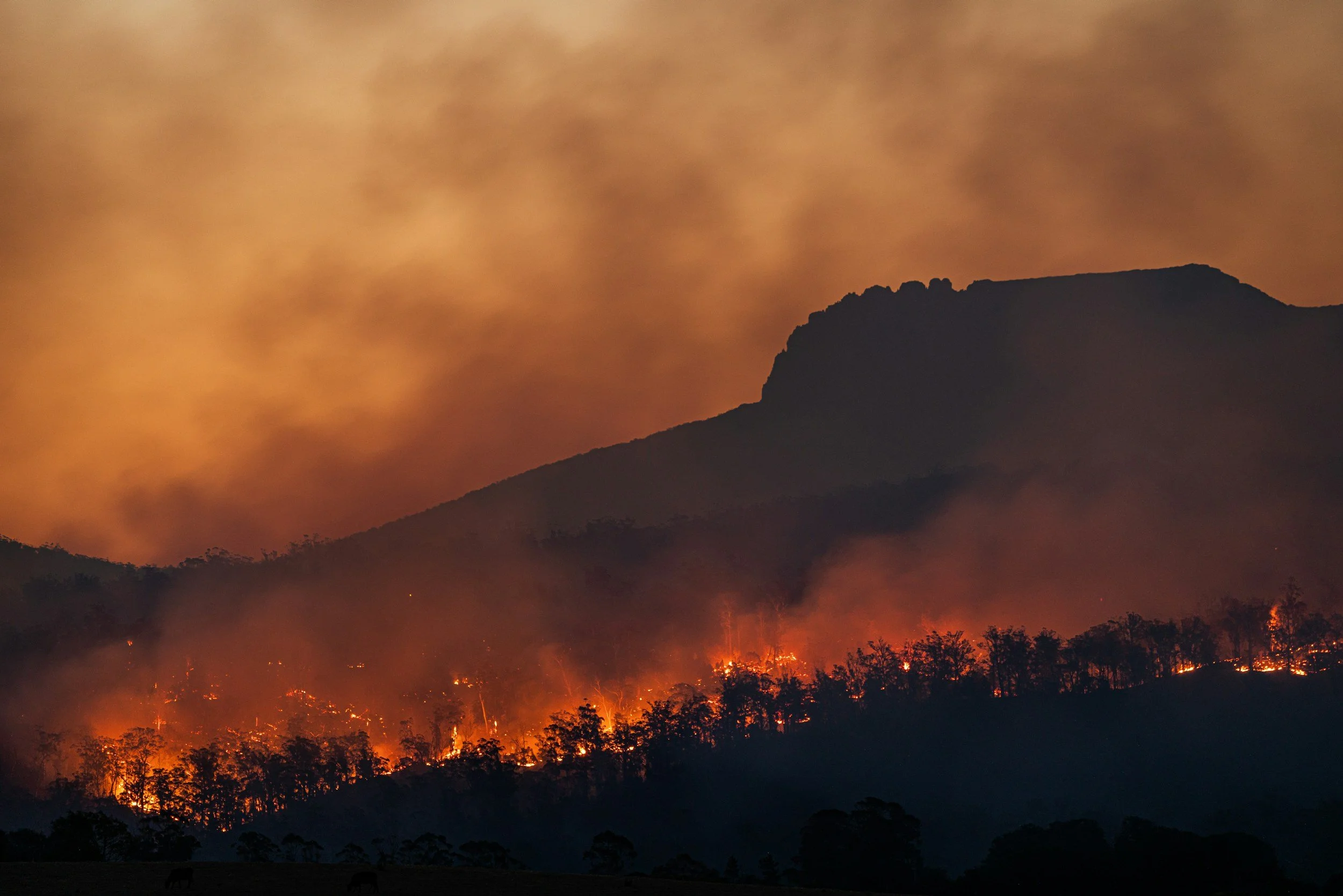
Firewise & Native: Dry-Season Resilience on the East Side
Drier interior and summer drought bring fire risk. How to landscape with native, fire-resilient plants that protect without going bare.
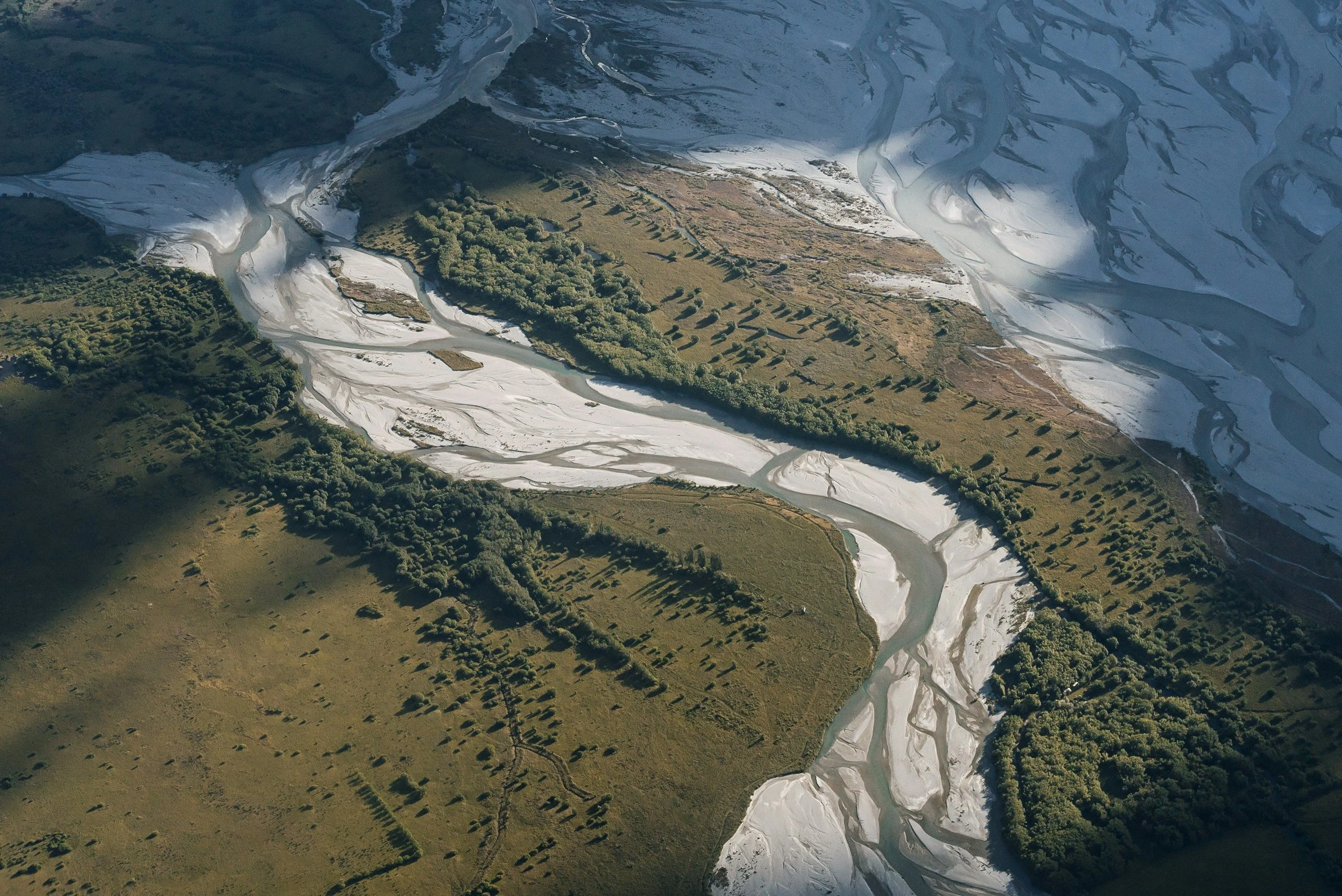
From Soggy to Thriving: Restoring Seasonal Wetlands & Wet Meadows
That wet corner of the property is an asset. How to restore seasonal wetlands that store water and buzz with life. Estuaries provide some of the most biodiversity of any ecosystem or biome. Wetlands represent some of the most sensitive habitat that is regularly destroyed due to land development. For instance, 80% of the San Francisco wetlands have been developed, a vital part of the local watershed. Read more from my blog about my research in the San Francisco Bay Estuary
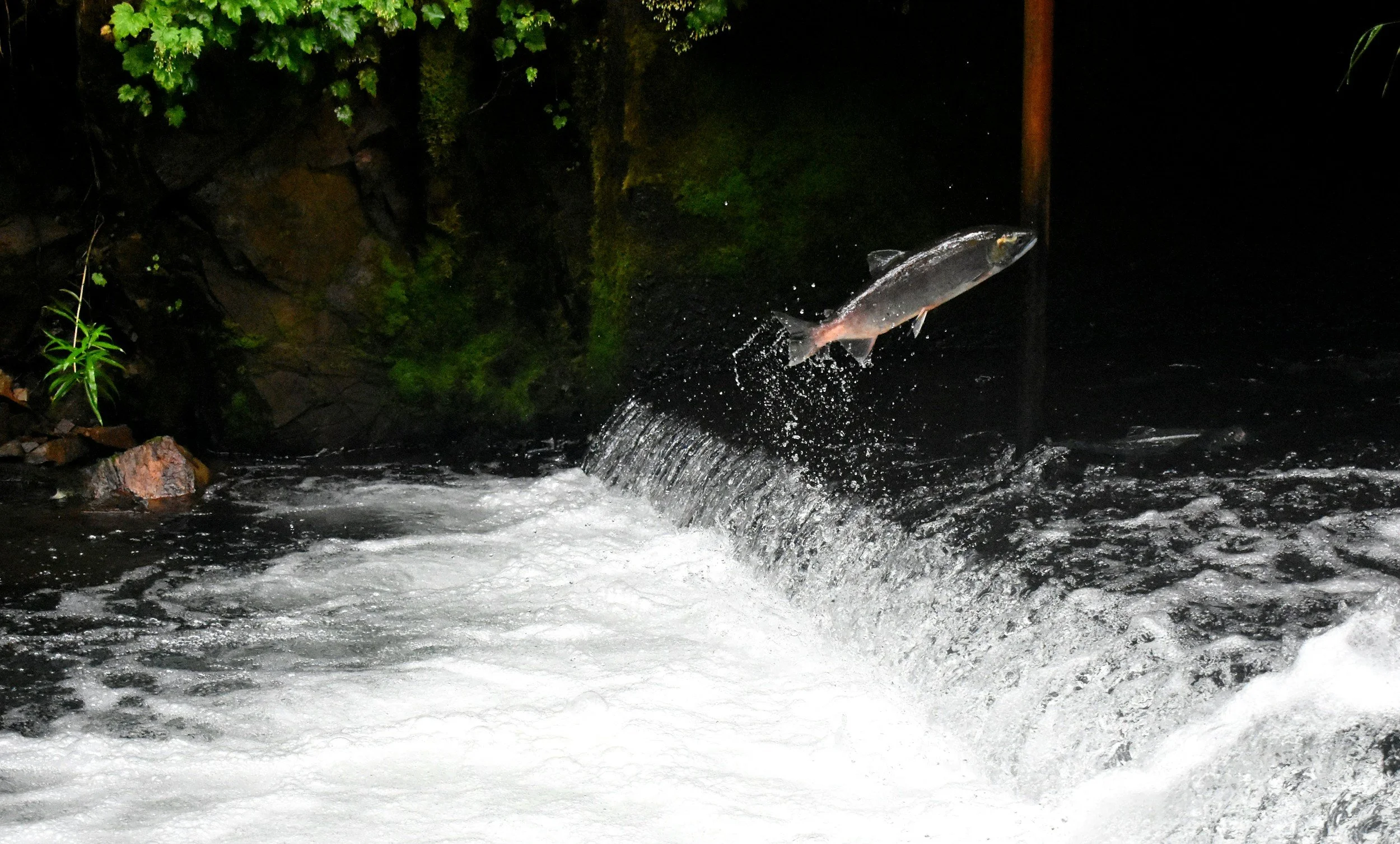
Salmon-Safe Streambanks: Buffers That Cool & Clean the Water
Planting streamside buffers that shade the water, hold the bank, and filter runoff before it reaches salmon habitat. Temperature is another rarely considered environmental hazard but changing temperature of water runoff and effluent is highly problematic for native species. Talking Gardens (Albany, Oregon) is an example of a “nature based solution” to solve the problem of waste water from industrial processes and human activity. It now contains restored riparian forest and wetlands through plantings of native species as well as wildlife habitat, in what was industrial area.