
The Complete Guide to Sonoran Habitat Restoration
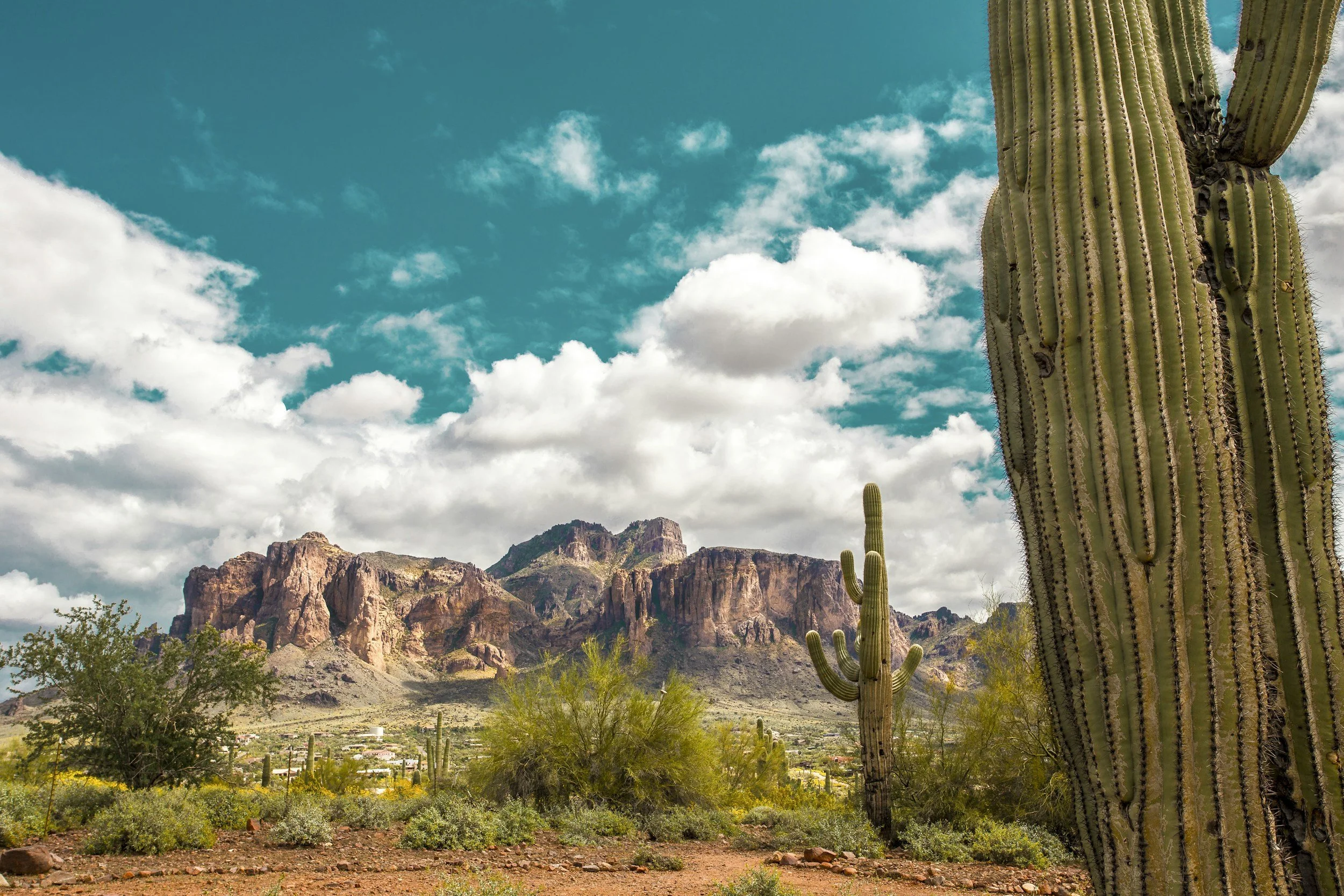
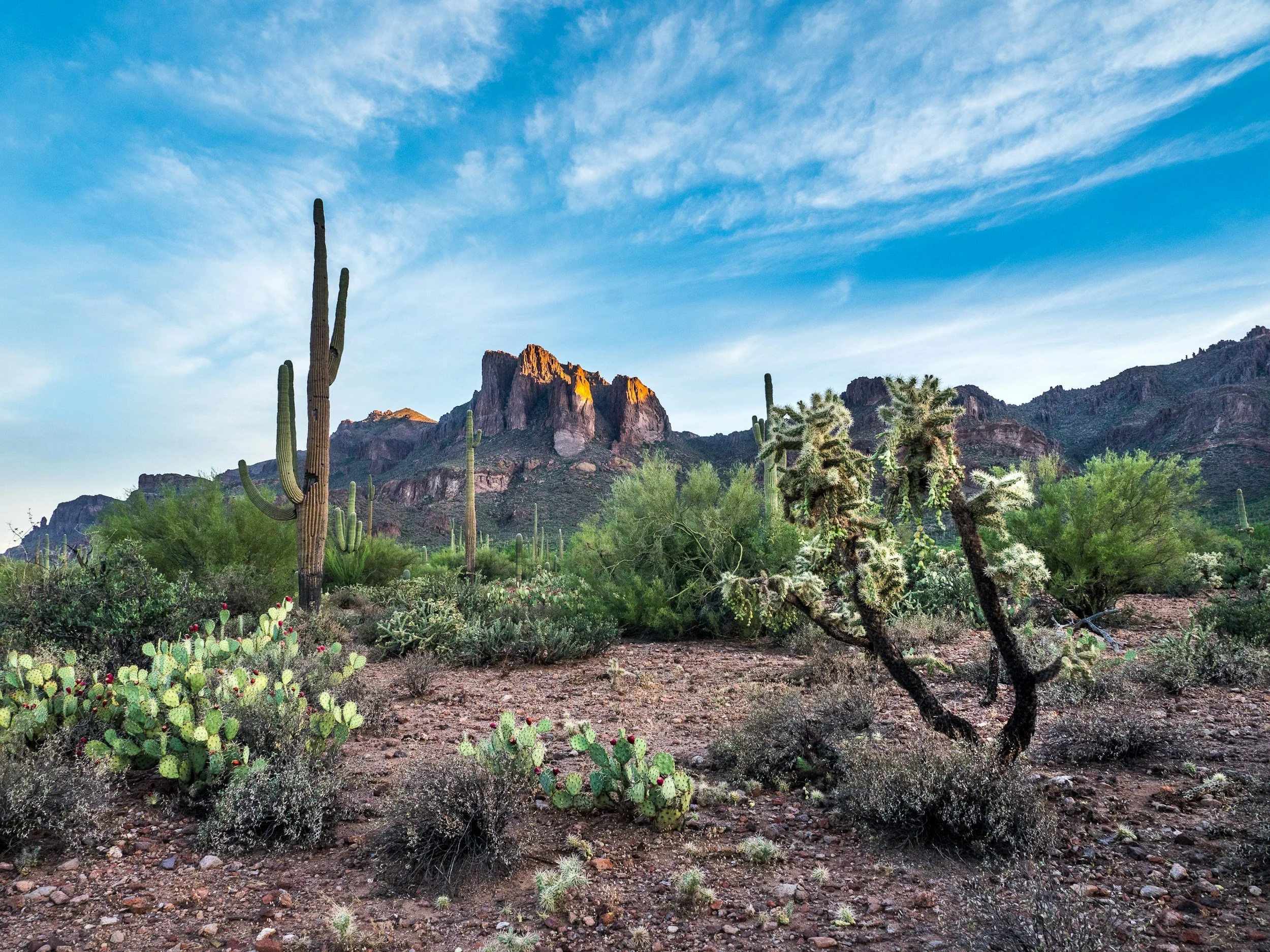
The Sonoran Desert is one of the most biologically rich deserts on Earth — and one of the least forgiving places to garden by ordinary rules. Rain arrives in violent bursts and then not at all, a layer of rock-hard caliche often hides a foot below the surface, and summer sun can cook a young plant in an afternoon. Restoring desert land is the art of catching what little water falls, building shade and soil where there is none, and letting hardy natives do the rest. This guide covers three fronts — habitat, soil, and water — plus what you legally need to know before you move a single cactus.
Habitat: Rebuilding Native Sonoran Ecosystems
Sonoran land problems are the inverse of the Northwest's: scarce, unpredictable water, blistering heat, thin soil, and invasive grasses that bring a kind of fire this ecosystem never evolved to survive. The desert recovers slowly but reliably — if you protect what's left, remove what's burning it, and give new plants the shade and water they need to establish.
5 Keystone Desert Trees for Deep-Rooted Habitat Restoration
A few species carry the whole system. Velvet mesquite, blue and foothill palo verde, and desert ironwood are legumes that fix nitrogen, drop fertility-building litter, and act as nurse plants — casting the shade that lets saguaro and dozens of other seedlings survive their first summers. Plant these first and you're building the nurseries everything else depends on.
The Non-Chemical Guide to Eradicating Buffelgrass and Fountain Grass
These African grasses are the single greatest threat to the Sonoran Desert. They fill the bare ground between native plants and carry fire across terrain that historically never burned — and saguaros, palo verdes, and most desert natives have no fire adaptation at all. Pulling them by hand while the soil is damp, before seed set, and staying on top of regrowth is the difference between a desert that persists and one that converts to grassland.
Beyond the Feeder: Planting for Native Sonoran Pollinators and Birds
Desert pollination is remarkable and specific: lesser long-nosed bats work saguaro flowers at night, native bees specialize on particular cacti and legumes, and hummingbirds follow the bloom north. Support them by planting for staggered bloom across the seasons — chuparosa, penstemon, agave, columnar cacti, and flowering legumes — rather than putting out feeders.
Saguaro and Prickly Pear: How to Integrate Cacti into Disturbed Soil
Cacti are the signature of this desert and the slowest thing in it — a saguaro may take decades to reach a few feet. Establishing them on disturbed ground means starting under nurse plants, orienting transplants the same direction they grew, and being patient with water. Because saguaro and many native cacti are legally protected, always confirm the rules before moving one (see "Before You Dig," below).
Endangered & At-Risk Wildlife
The Sonoran Desert is far from empty — it's one of the most biodiverse deserts on Earth, home to species that exist nowhere else. But as water disappears, invasive grasses spread, and development creeps outward, many of them are slipping toward the edge. Because desert animals are so tightly bound to specific plants and water sources, restoring those pieces of the landscape is often the most direct way to protect them.
The cactus ferruginous pygmy-owl nests in saguaros and mesquite, while the southwestern willow flycatcher and yellow-billed cuckoo depend on the vanishing ribbons of streamside habitat along desert rivers.
Birds
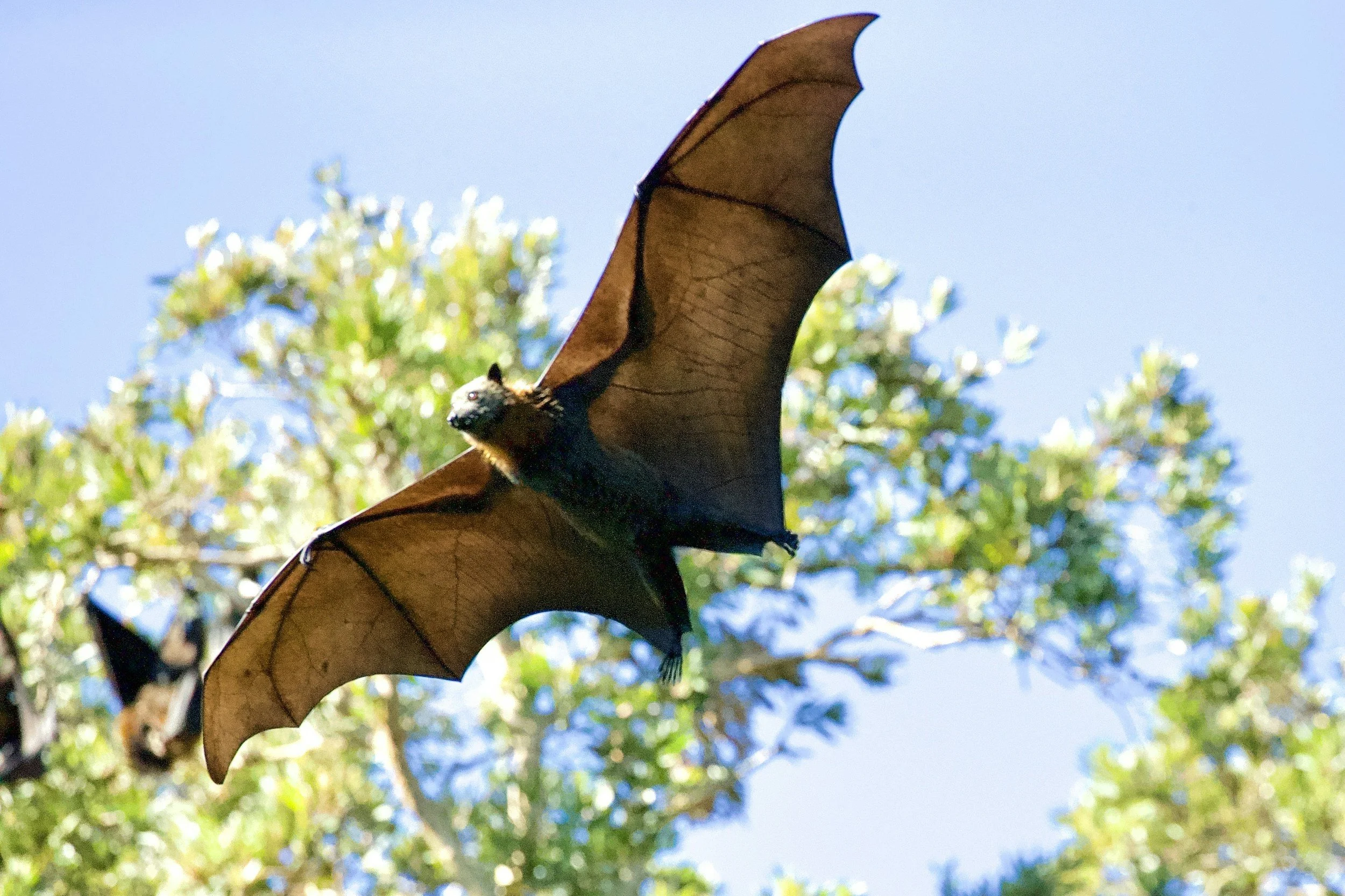
The lesser long-nosed bat is the saguaro's night pollinator — protect the bat and you protect the cactus, and vice versa. The Sonoran pronghorn, one of the fastest and most drought-hardened animals in North America, survives in only a few pockets of protected desert.
Mammals & Pollinators
The Chiricahua leopard frog and Sonoyta mud turtle survive only where desert water still holds year-round, and the Sonoran desert tortoise needs intact native plant cover to make it through the heat.
Frogs, Turtles & Reptiles
Yes, the desert has native fish: the desert pupfish and Gila topminnow once filled desert springs and streams and now hang on in a handful of protected waters — a direct stake in every drop we keep on the land.
Fish of Desert Waters
Soil Challenges: How to Restore and Revitalize Degraded Desert Soil
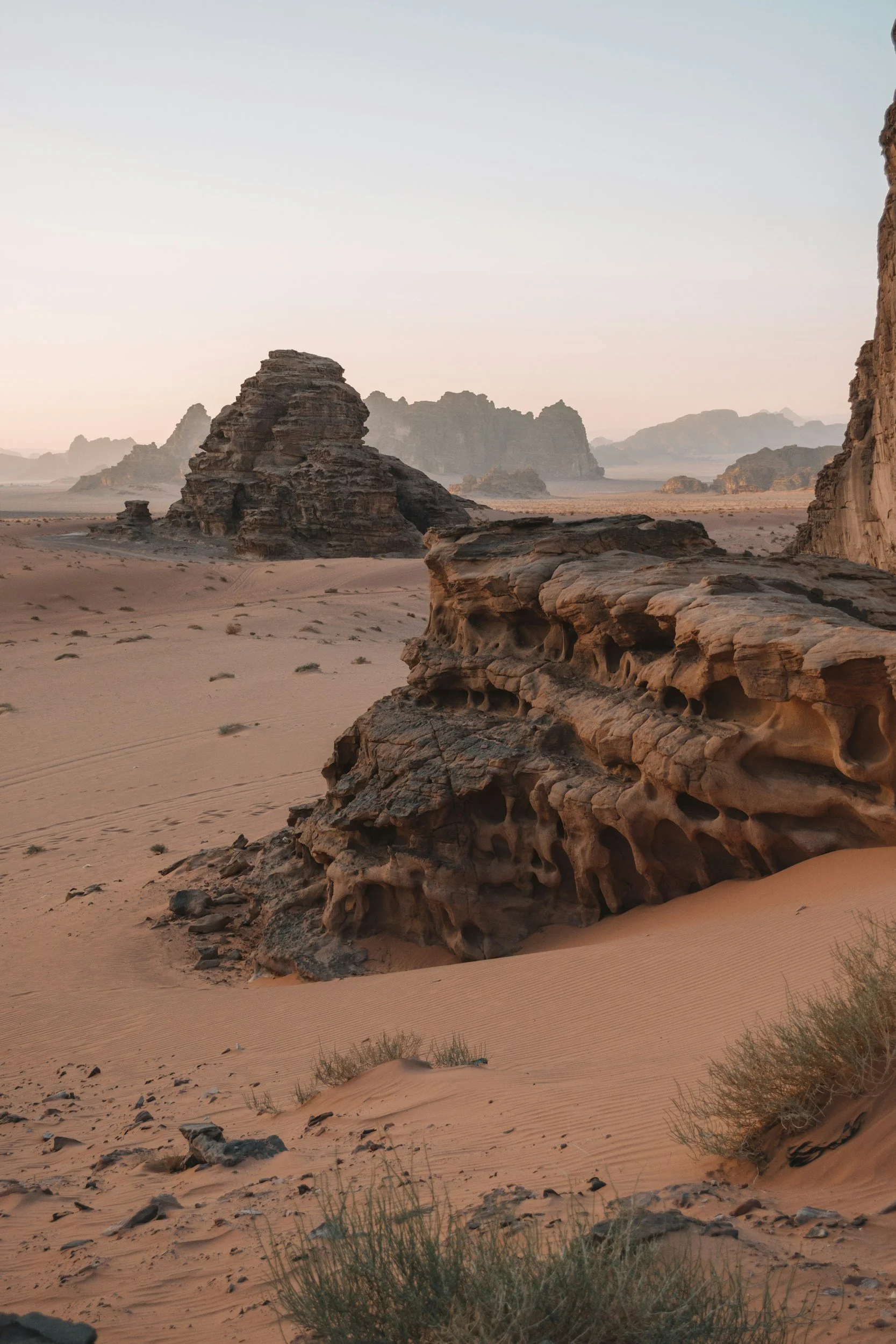
Desert soil problems come from too little water and too little life. Organic matter burns off almost as fast as it accumulates, decades of grazing and grading have compacted the surface, and beneath much of the region sits caliche — a cemented layer of calcium carbonate that stops roots and water alike.
Breaking Through Caliche: How to Plant Safely in Desert Hardpan Layers
Caliche turns a planting hole into a bathtub: water goes in and never drains, drowning roots in a desert. Before planting, fill the hole with water and see whether it's gone in a day. If it isn't, you've found caliche — and you'll need to punch a drainage chimney through it, plant on a raised mound above it, or choose a different spot.
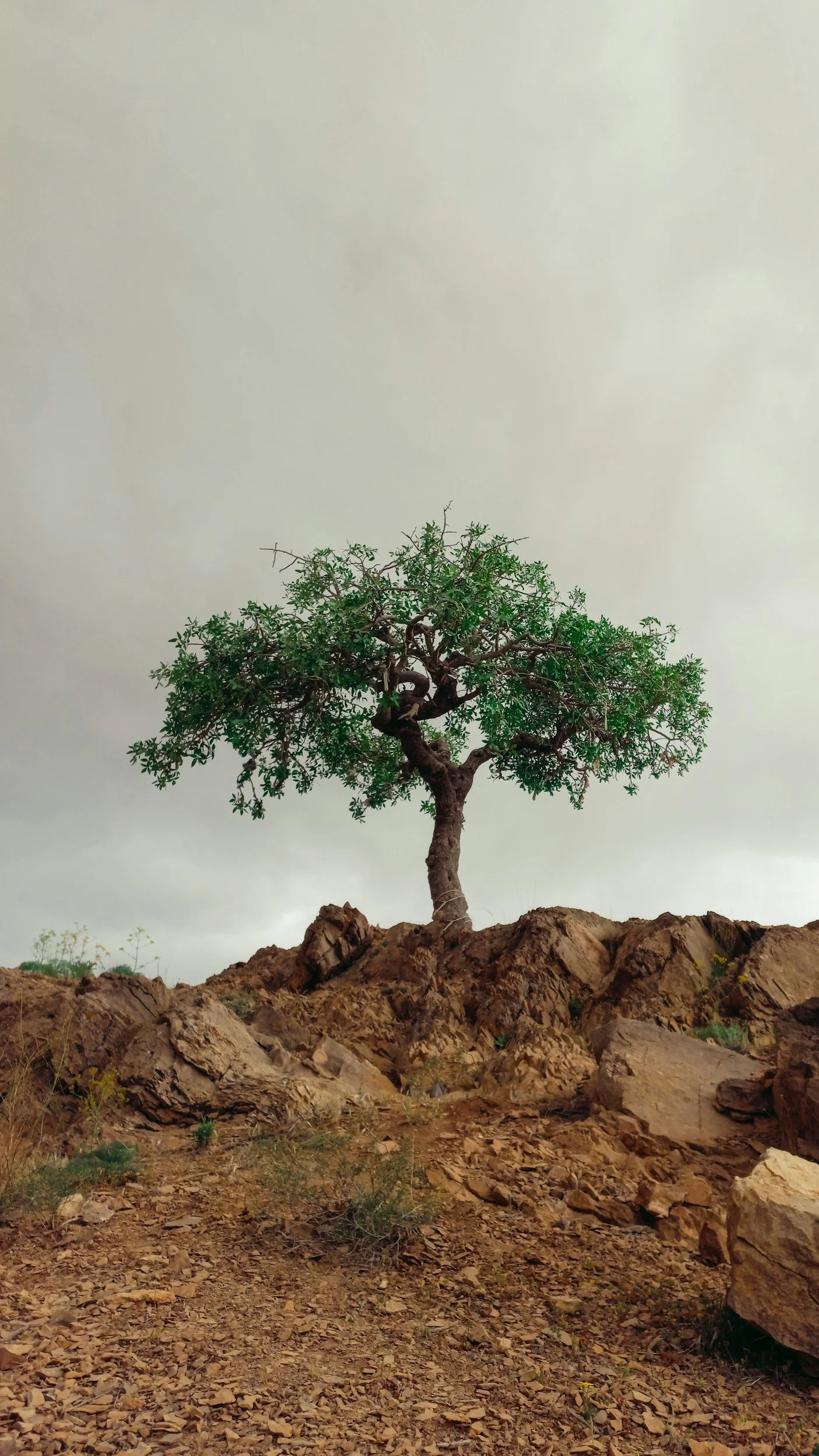
How to Use Native Mesquites and Acacias as Soil-Building Nurse Trees
Desert legumes are soil factories. They fix nitrogen, drop mineral-rich litter, shade the ground, and concentrate fertility into "resource islands" — the visibly richer patches under mature mesquite and ironwood. Plant them early and everything you add later has somewhere hospitable to grow.
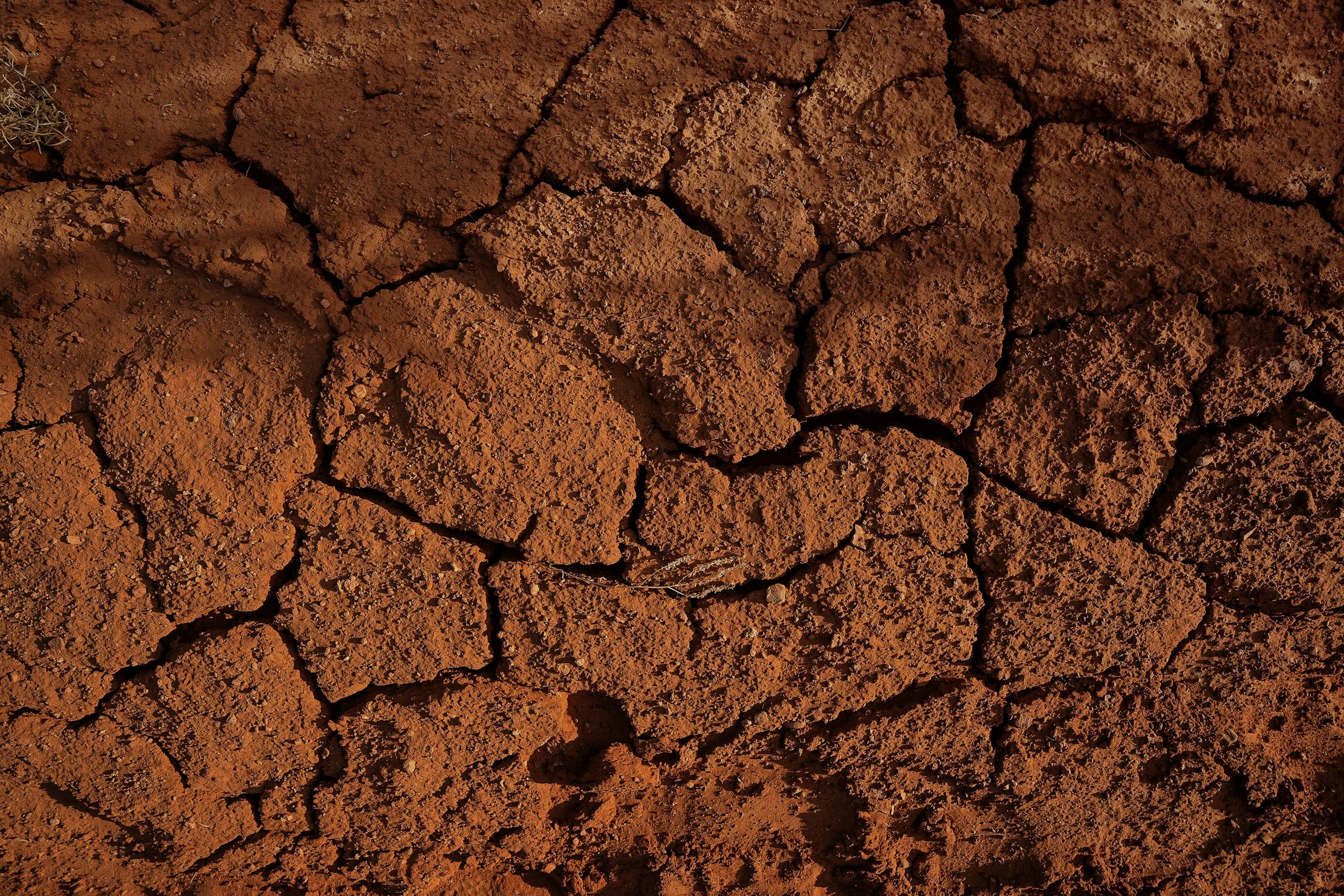
The Invisible Network: Restoring Mycorrhizal Fungi to Sun-Baked Dirt
Desert plants lean heavily on fungal partners to reach water and phosphorus their own roots can't. Grading, compaction, and years of bare exposure wipe those networks out. Rebuilding them means getting cover back on the soil, keeping living roots in the ground, and disturbing it as little as possible.
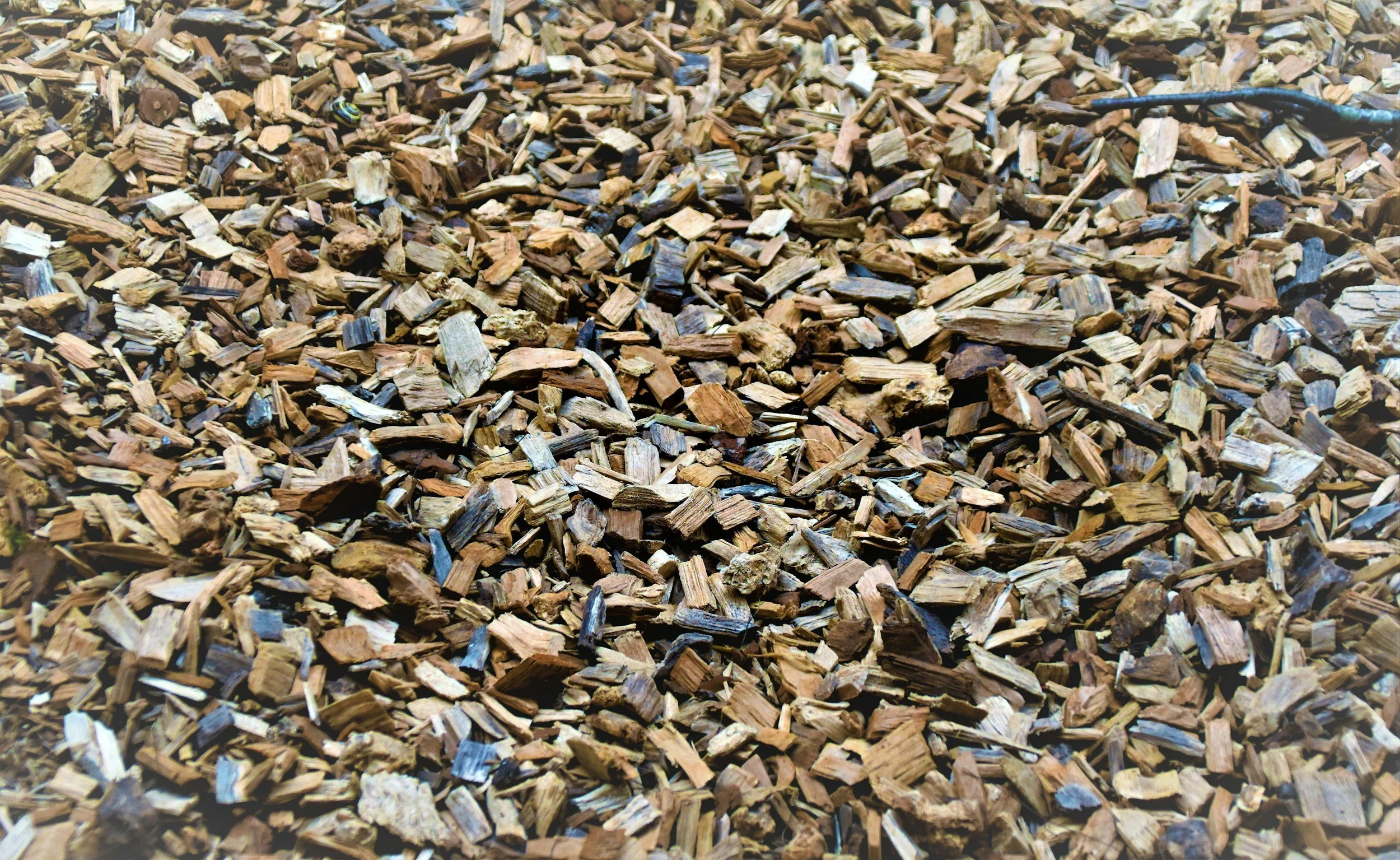
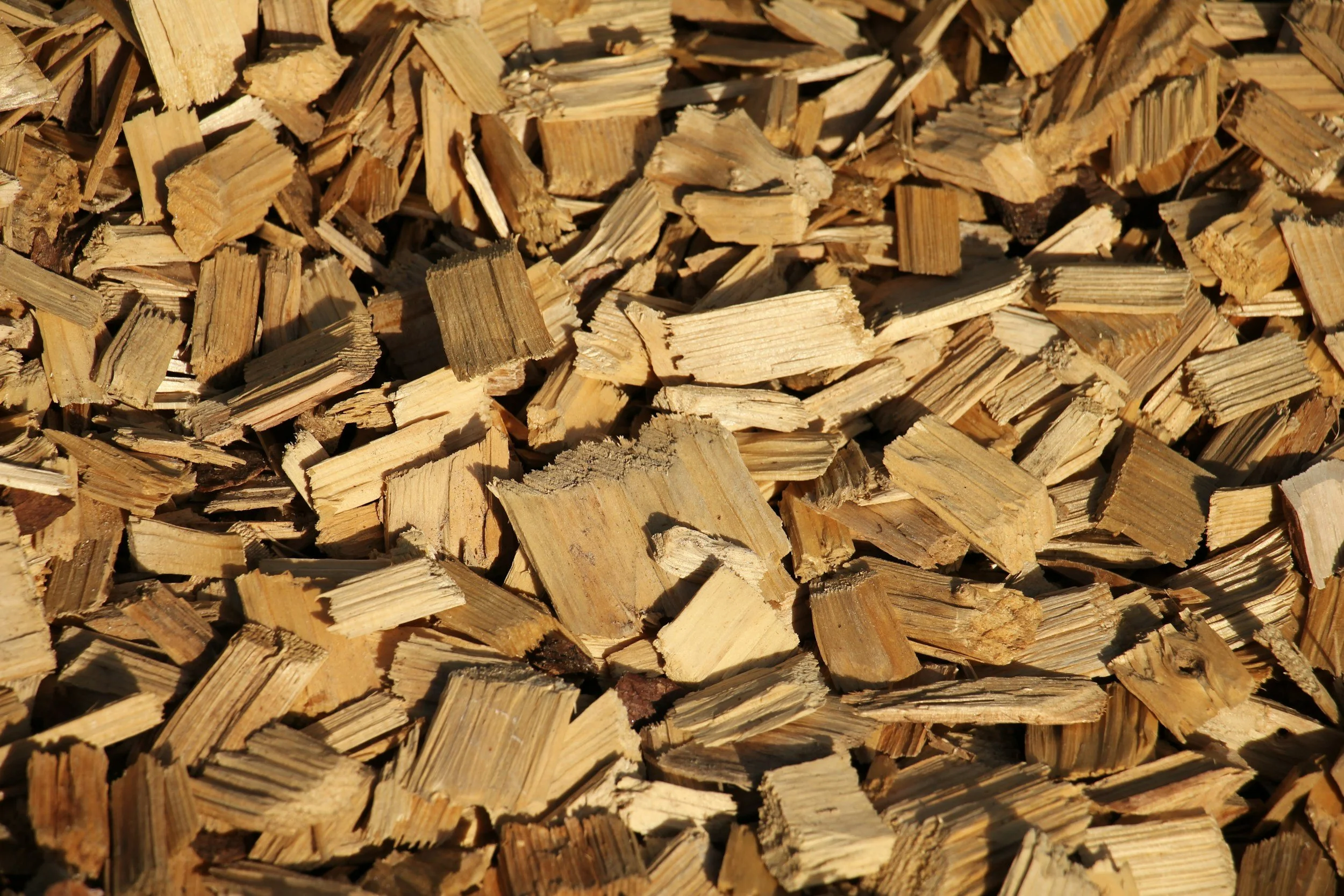
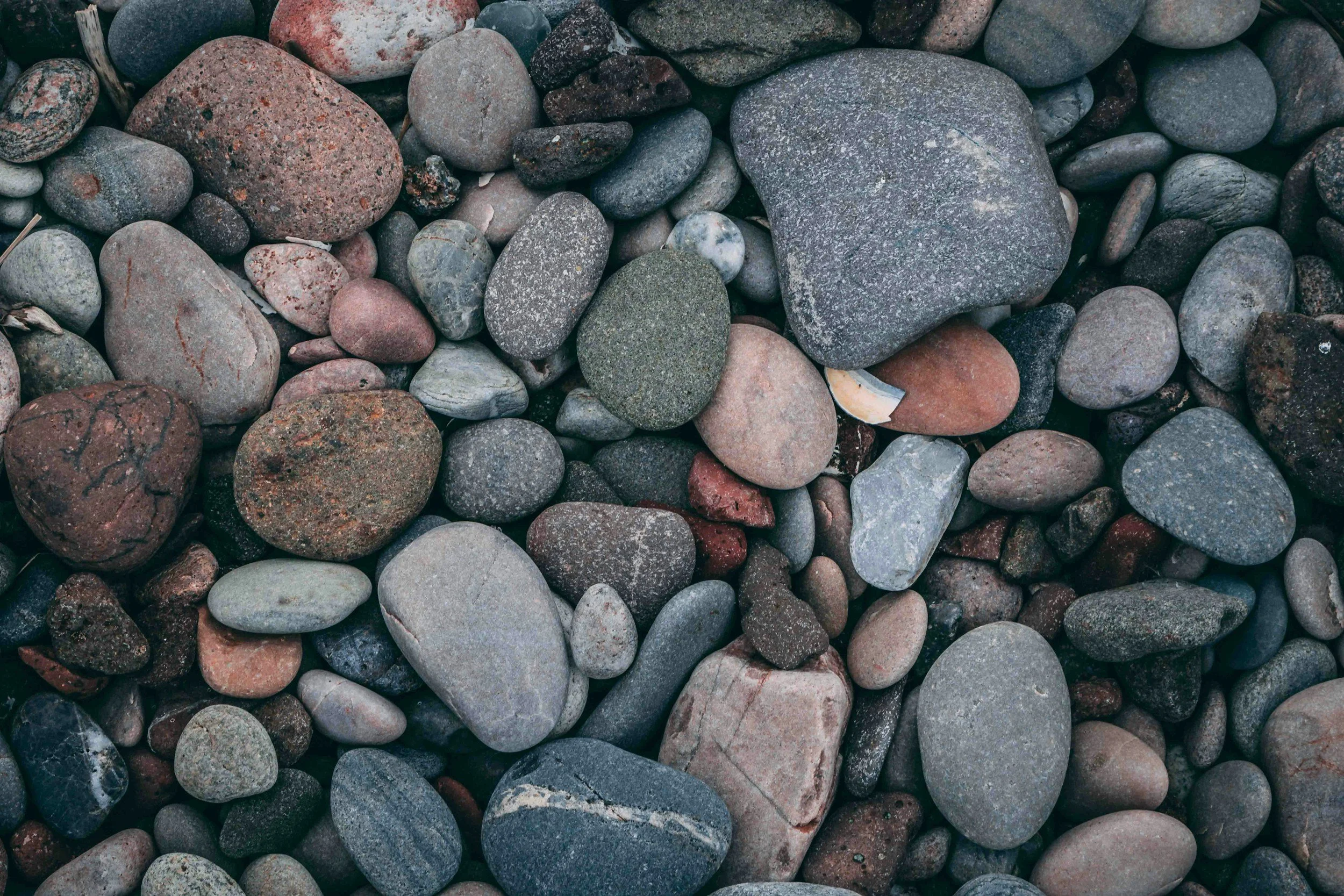
The Arid Mulch Debate: Should You Use Rock or Wood Chips for Restoration?
Southwest landscaping defaults to rock, but rock stores heat and adds nothing to the soil. Organic mulch cools the surface, holds moisture, and actually builds fertility — though it breaks down fast and can blow away on exposed sites. Each has its place; knowing which to use where is one of the highest-leverage decisions in desert restoration.
With regional water supplies under historic pressure—detailed in our ongoing reports on the Colorado River shortage—sustainable landscape restoration in the Sonoran Desert requires designing for zero dependency on pumped water. Passive rainwater harvesting transforms destructive monsoon sheet flow into a permanent underground water source through strategic earthworks:
Contoured Swales & Berms: Slow runoff along natural elevation lines, forcing water to percolate deep into desert soil rather than flashing across hard-packed caliche.
Rock-Lined Basins & Wadis: Prevent erosion during high-volume summer downpours while directing moisture directly to the root zones of native trees and perennial cacti.
Deep Soil Infiltration: Converts seasonal rainfall into enduring soil moisture, establishing self-sustaining microclimates that resist extended drought cycles.
Water Challenges: Passive Rainwater Harvesting for Arid Land
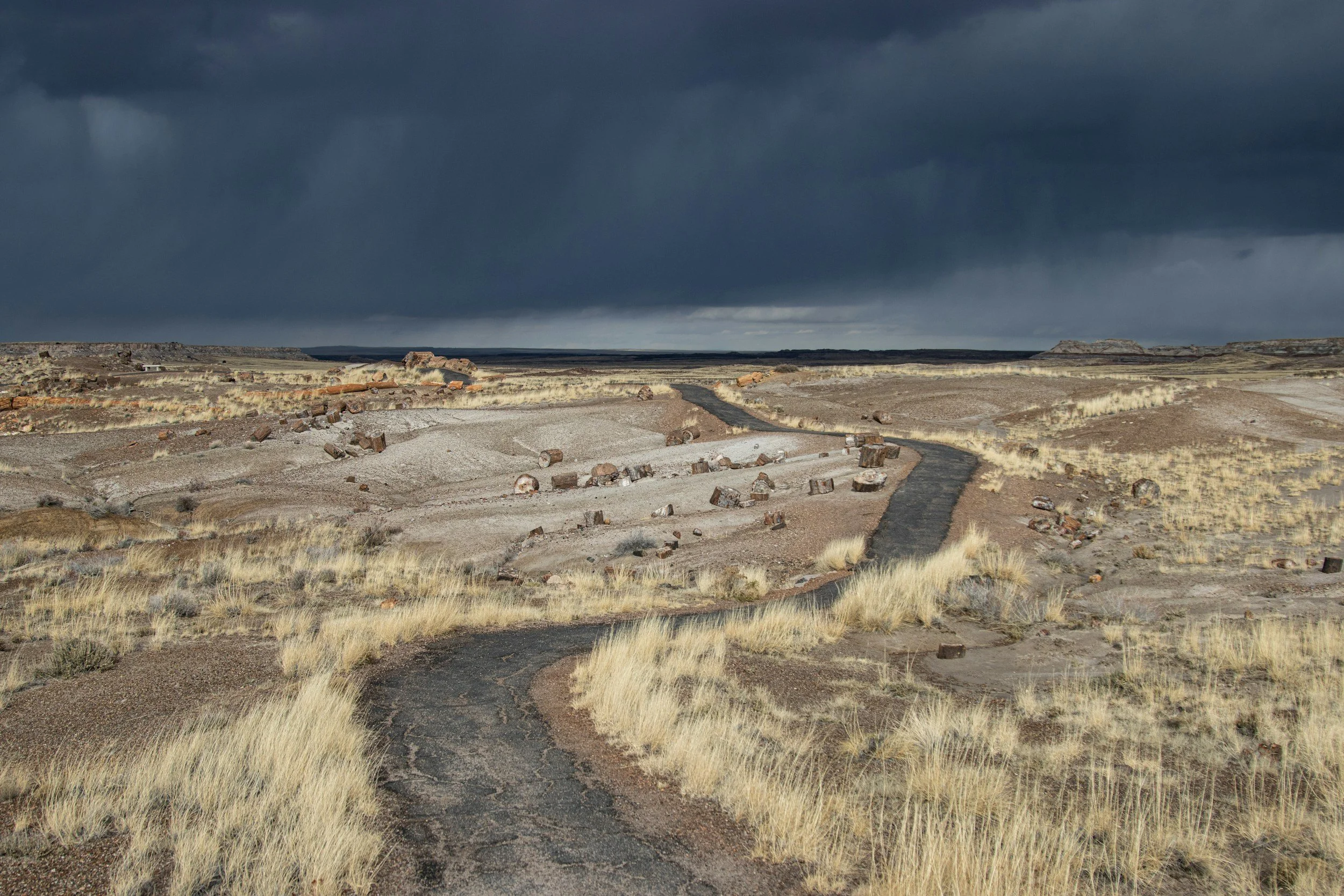
Chasing the Monsoon: Designing Swales and Berms to Capture Flash Runoff
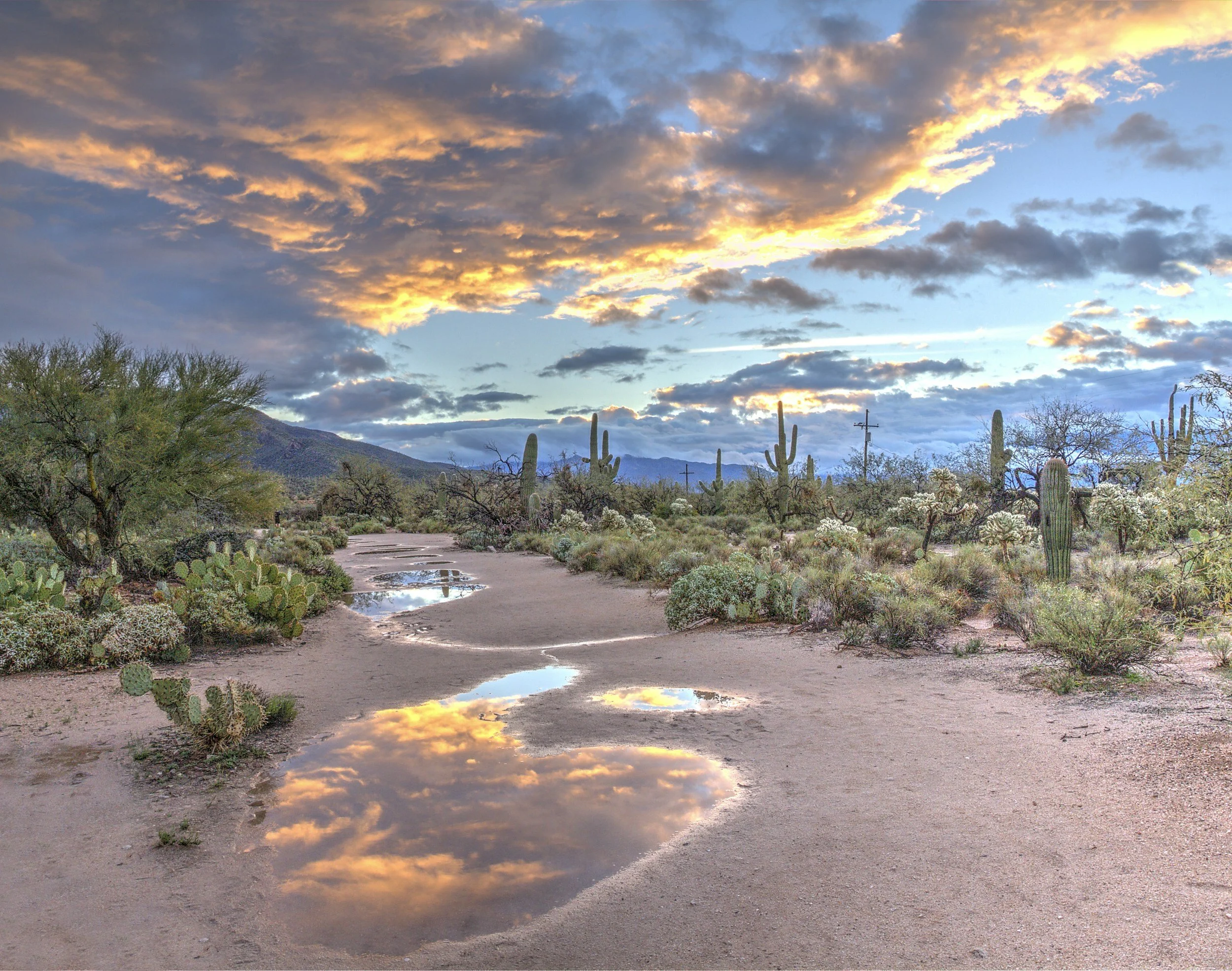
Shallow basins and berms shaped along the land's contour turn a destructive sheet of runoff into stored soil moisture. Sited correctly, a swale can keep a tree alive through the dry months on monsoon rain alone — so reading where water already wants to go comes first.
Roof, Road and Curb: Directing Runoff Into the Landscape
Every hard surface is a rain collector. Roofs, driveways, and street edges shed enormous volumes during a monsoon, and simple grading, curb cuts, and basin placement can route that water into planted areas instead of the storm drain — often the largest untapped water source on a desert site.
Stopping the Washout: Using One-Rock Dams to Heal Desert Arroyos
Once an arroyo starts cutting, it lowers the water table and drains the surrounding land. One-rock dams — single-layer rock structures laid across the channel — slow flow just enough to drop sediment and rebuild the channel bed over time. Low, cheap, and working with the water rather than against it.
Passive Cooling: How to Shape the Land to Protect Young Native Flora
Shade is a resource here as much as water. Nurse plants, shade cloth, north-side planting, and even well-placed rocks buy young plants the few degrees and few hours of afternoon relief that decide whether they survive their first summer.
Before You Dig: Arizona's Native Plant Protections
Arizona has some of the strongest native plant protections in the country, administered by the Arizona Department of Agriculture (AZDA) under the state's Native Plant Law. Because saguaro and many desert plants are decades or centuries old and nearly impossible to replace, the law protects them whether they're on public or private land. Here's the short version — but always confirm current rules and fees with AZDA before you act.
What's protected
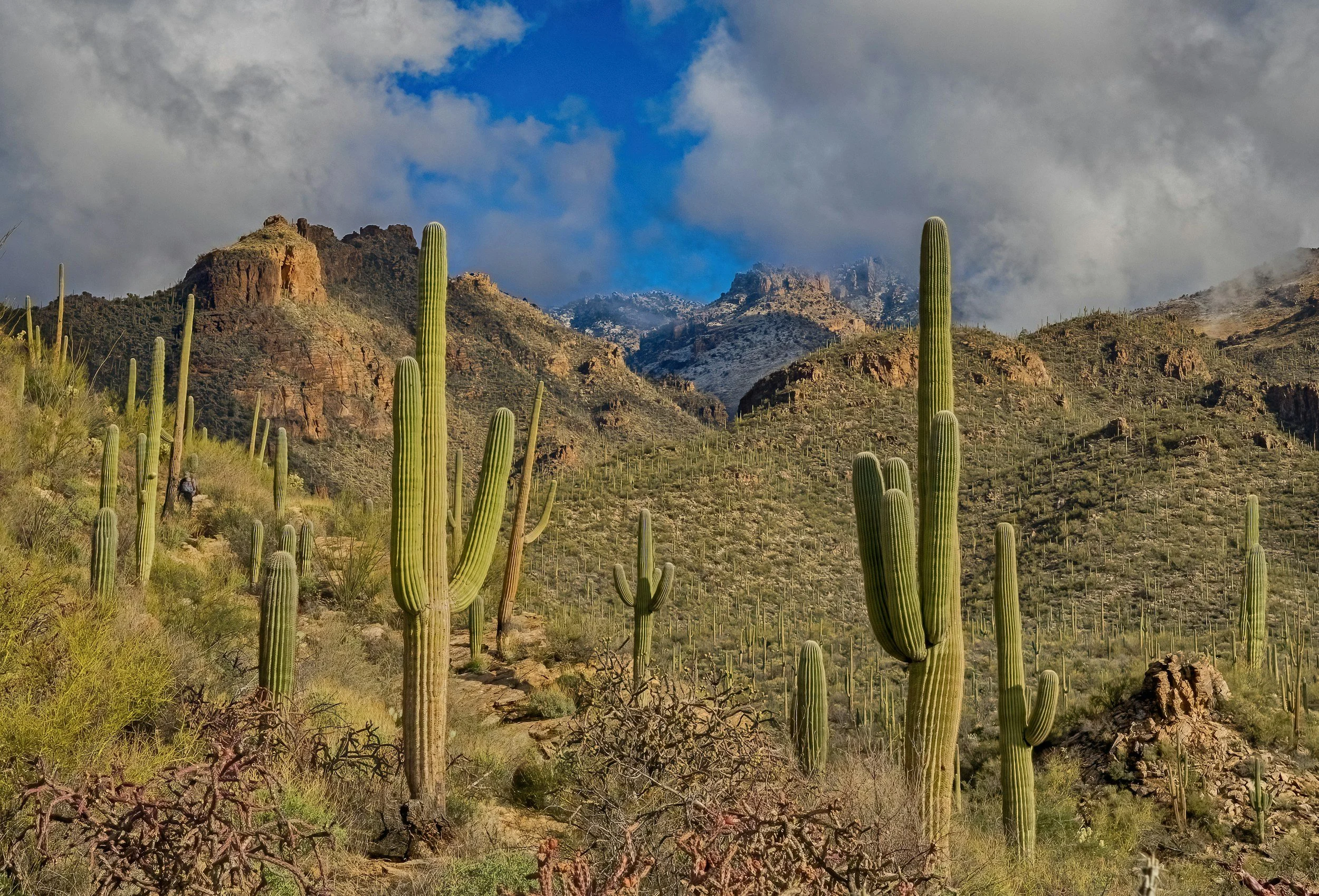
The law sorts native plants into protected categories — from Highly Safeguarded (the most at-risk, including the saguaro) down through Salvage Restricted, which covers a long list of cacti and other desert species. In practice, assume most native desert plants — saguaro, ocotillo, barrel cactus, agave, ironwood, mesquite, palo verde, and more — carry some level of protection.
Someone else's land — or public land
Never remove native plants from land you don't own without the owner's written permission and an AZDA permit. Taking cacti from state, federal, or tribal land — parks, preserves, BLM, roadsides — is illegal and actively prosecuted. Cactus theft is a real crime with real penalties.
On your own land
As a private landowner, you generally keep the right to clear or destroy protected plants on your own property — but you must file advance notification with AZDA before destroying them, which gives salvage crews a chance to rescue specimens. And here's the part people miss: those plants can't legally leave the property or be sold, given away, transported, or possessed off-site without a permit and official tag from AZDA.
Moving a Saguaro
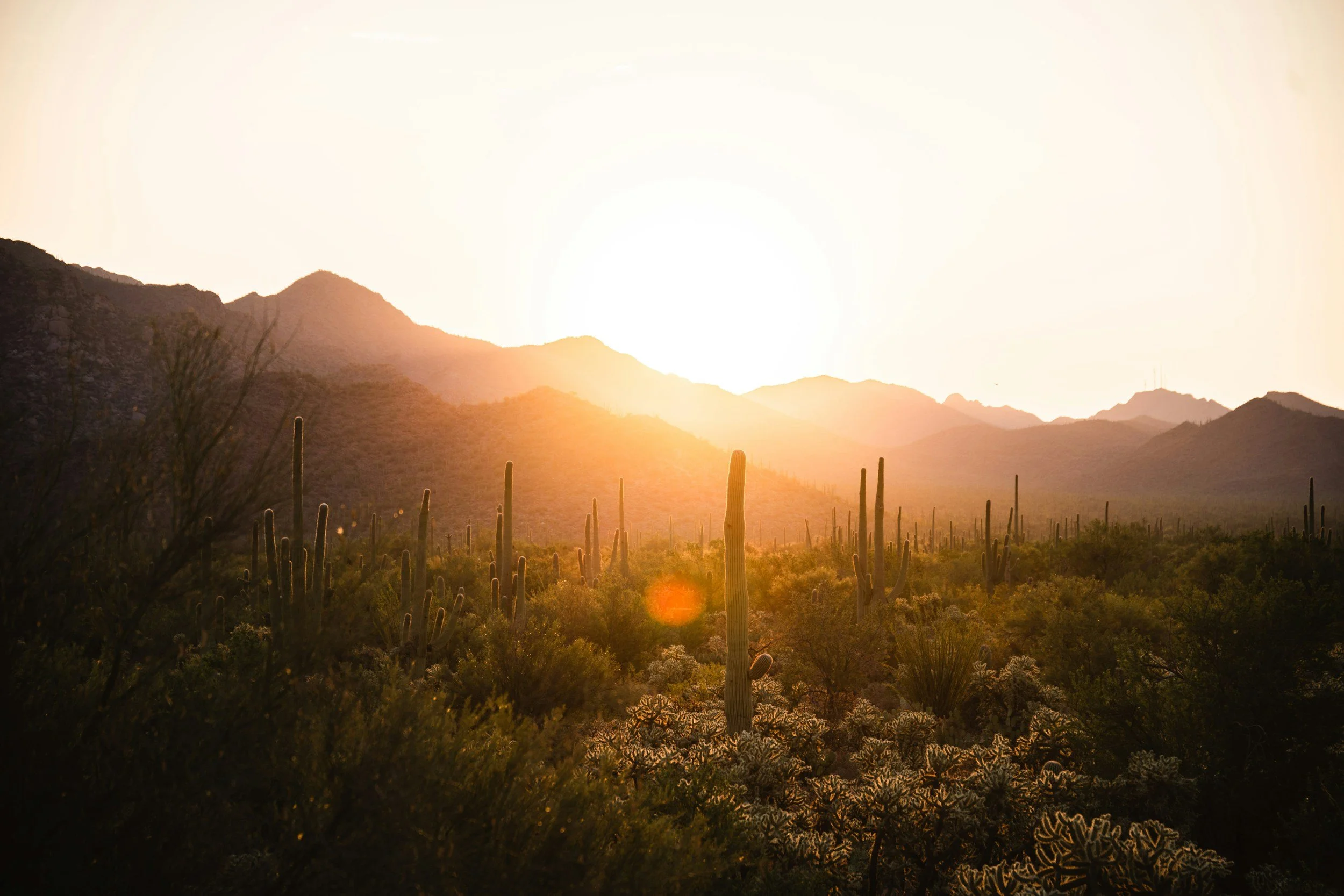
Moving or salvaging a saguaro taller than four feet from anywhere other than where it originally grew requires a permit, tag, and seal from AZDA. (Saguaros propagated by nurseries are exempt, and you can move one you've already legally relocated if you kept the paperwork.) Fees and tags apply per plant, so budget for them.
Check your city and county, too
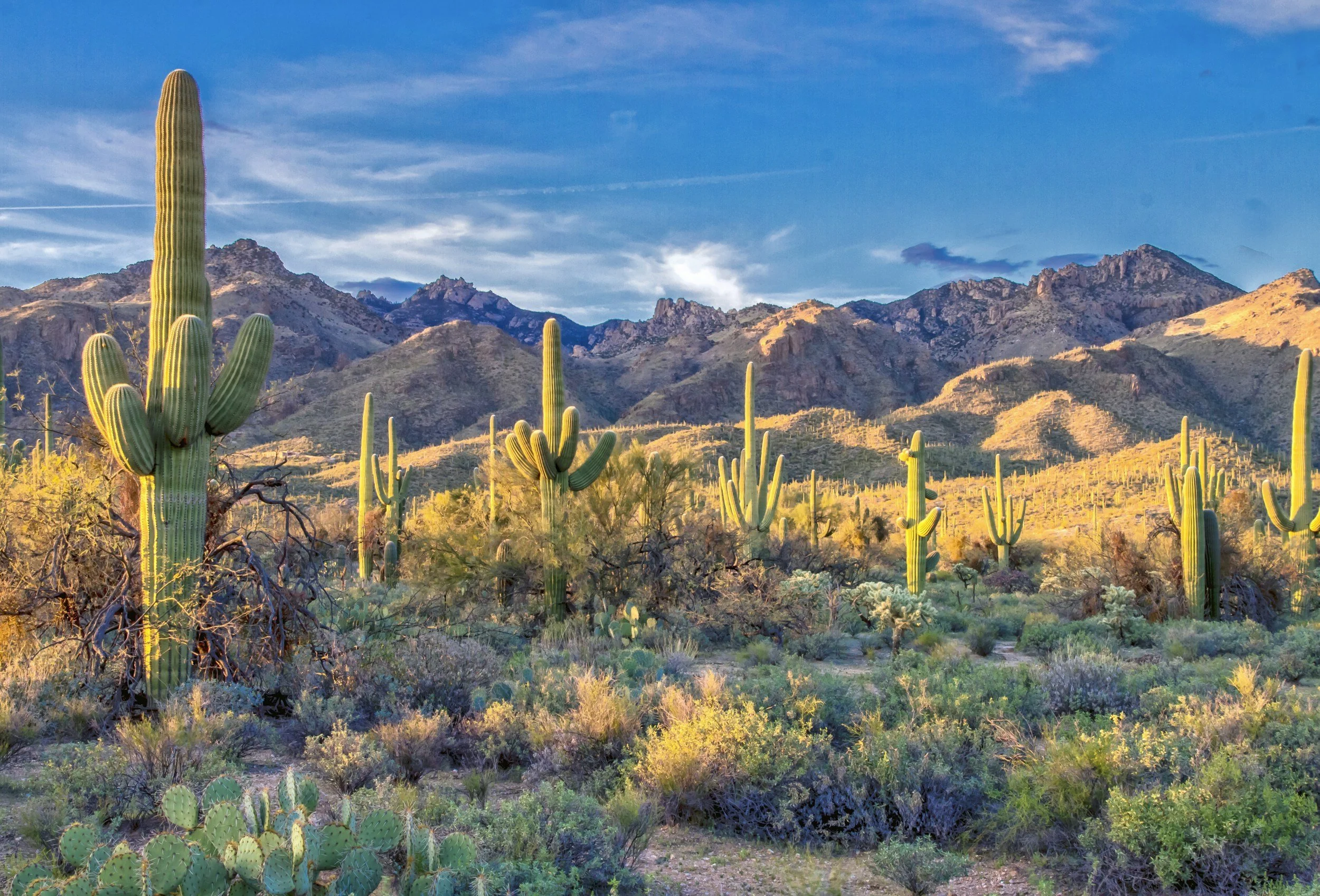
State law is the floor, not the ceiling. Many Arizona cities and counties — Pima County, Scottsdale, Phoenix, Marana, and others — add their own native plant preservation ordinances and require separate removal, grading, or landscaping permits. Check your local planning department before any work.
Check with the State Laws & Regulations
This is general information, not legal advice. Native plant rules, categories, and fees change — verify the current requirements directly with the Arizona Department of Agriculture and your local jurisdiction before removing, moving, or destroying any plant.