
The Complete Guide to Native Hawaiian Habitat Restoration
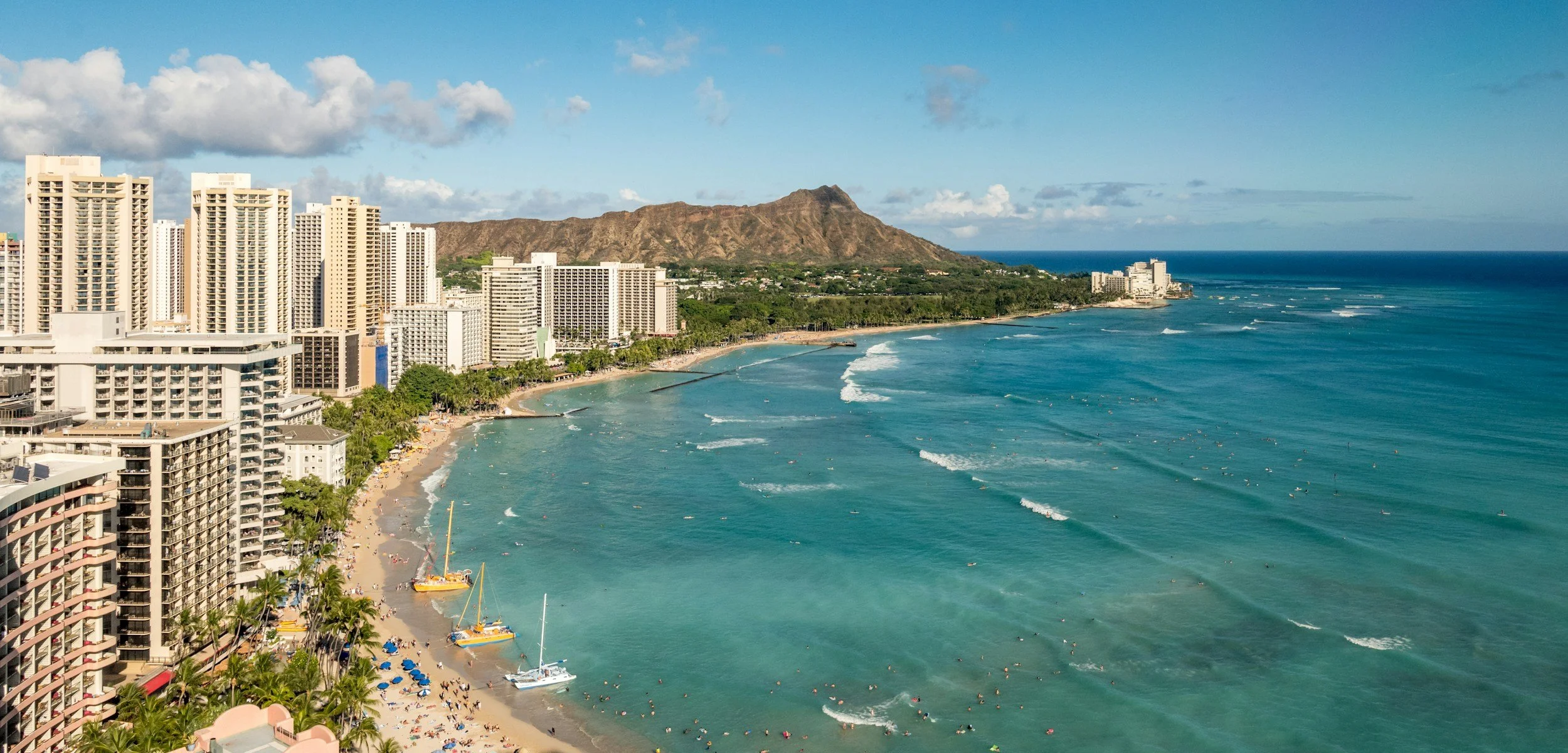
Hawaiʻi is the most isolated archipelago on Earth, and that isolation produced plants and animals found nowhere else — along with a landscape uniquely vulnerable to everything introduced since. Restoring island land means protecting rare endemic natives, holding back some of the most aggressive invasive species anywhere, and working the way Hawaiians always have: mauka to makai, from the mountains to the sea, understanding that what you do upland reaches the reef below. This guide covers three fronts — habitat, soil, and water — with the islands' realities front and center.
Habitat: Rebuilding Native Hawaiian Ecosystems
Isolation gave Hawaiʻi extraordinary endemic forests, then left them defenseless when people arrived with new plants, animals, and diseases. Restoration here is a rescue mission: remove what's smothering the natives, replant the species that built these ecosystems, and protect the fragments that remain.
Koa, ʻŌhiʻa & the Keystone Natives of Hawaiian Forests
Two trees anchor most native Hawaiian forests. Koa — a fast-growing, nitrogen-fixing endemic — rebuilds canopy and soil quickly, while ʻōhiʻa lehua colonizes bare lava and forms the backbone of the watershed forests that feed the islands' aquifers. Replant these alongside understory natives like hāpuʻu ferns and māmaki. One caution: Rapid ʻŌhiʻa Death is spreading through the islands, so clean tools, shoes, and vehicles between sites to avoid moving the fungus.
Fighting Strawberry Guava, Albizia & Fountain Grass
Three invaders do outsized damage. Strawberry guava (waiawī) forms dense thickets that crowd out everything native and drink heavily from the water table; albizia grows fast and brittle, becoming a serious hazard in storms; and fountain grass blankets dry leeward slopes and carries fire. Knocking them back — and immediately replanting natives so they don't simply return — is the core of island habitat work.
Bringing Back the Birds: Planting for Native Hawaiian Species
Hearing the last Kauaʻi ʻŌʻō calling out for a mate and hearing nothing in response is a reminder of what is at stake. Native honeycreepers evolved with specific native plants, and many now survive only at higher, cooler elevations where mosquitoes and avian malaria can't follow. Planting native nectar and food sources — ʻōhiʻa, māmane, and other natives — rebuilds the habitat these irreplaceable birds depend on, and supports native insects and pollinators along the way.
Canoe Plants & Natives: Culturally Rooted Island Landscaping
The Polynesians who settled Hawaiʻi brought "canoe plants" — kalo (taro), ʻulu (breadfruit), niu (coconut), ʻuala (sweet potato), and more — that fed the islands for centuries. Blending these traditional food plants with native species creates landscapes that provide food, habitat, and cultural continuity all at once. Wonderfully preserved in places like the Bishop Museum, we can get glimpses at the original native habitat of these vulnerable island ecosystems.
Endangered & At-Risk Wildlife
Hawaiʻi is often called the endangered species capital of the world — more species per square mile are at risk here than anywhere else in the country. Millions of years of isolation produced birds, insects, and plants found on these islands and nowhere else, and that same isolation left them defenseless against introduced predators, disease, and habitat loss. For many of them, restoring native forest and freshwater systems is the only path back.
Native Forest Birds
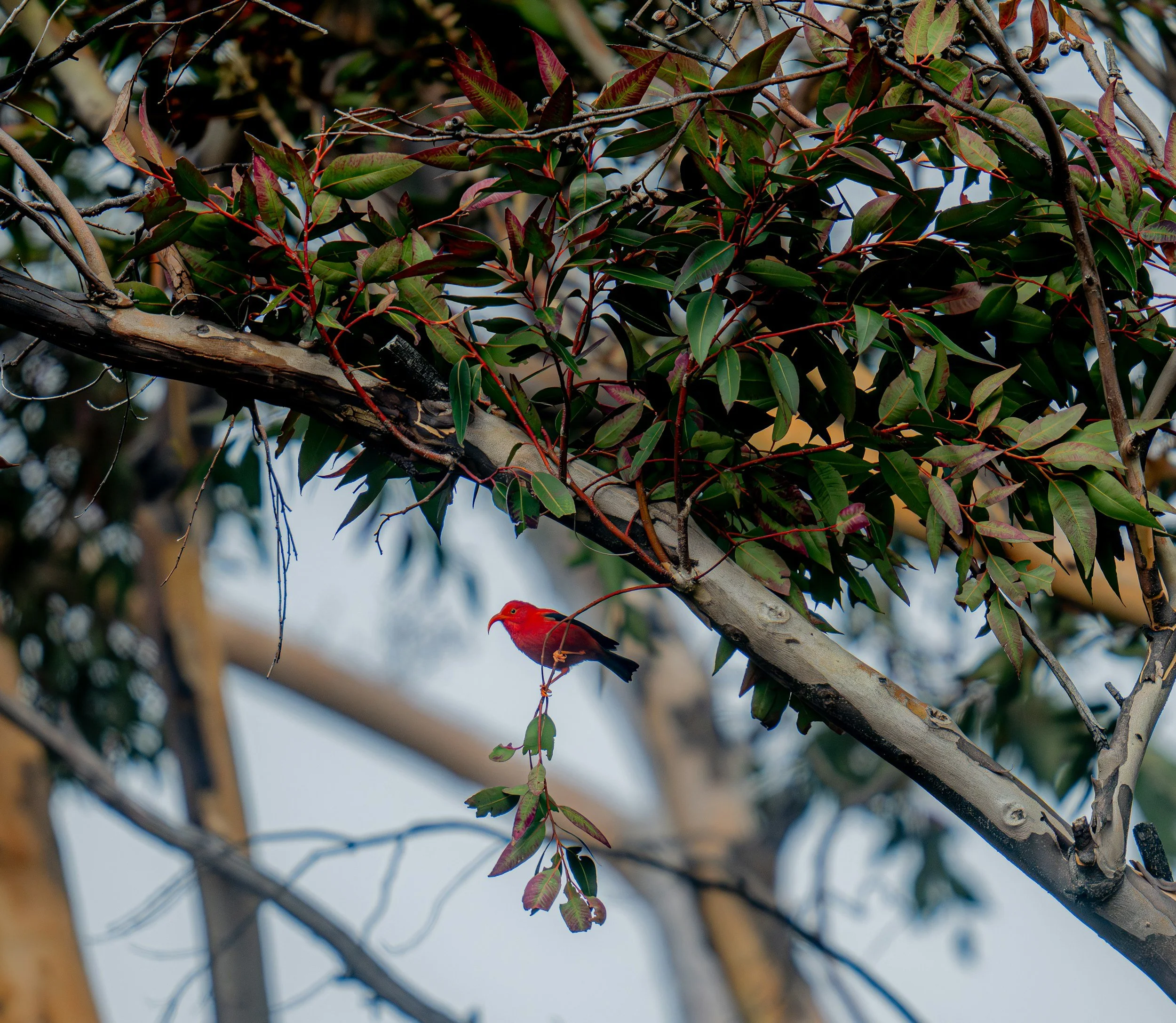
The honeycreepers — ʻiʻiwi, palila, ʻakiapōlāʻau, ʻakikiki — evolved with native ʻōhiʻa and koa forest and are now cornered at high elevations, above the mosquitoes that carry avian malaria. The nēnē, Hawaiʻi's state bird, has climbed back from the brink through exactly this kind of habitat work.
Seabirds & waterbirds
The ʻuaʻu (Hawaiian petrel), aeʻo (Hawaiian stilt), and ʻalae keʻokeʻo (Hawaiian coot) depend on protected uplands and restored wetlands to nest and feed.
Native mammals
Hawaiʻi has only two: the Hawaiian monk seal, whose survival is tied to clean nearshore waters (which is where our reef-safe runoff work comes in), and the ʻōpeʻapeʻa, the Hawaiian hoary bat, the islands' only native land mammal.
Invertebrates & pollinators
The kāhuli (Hawaiian tree snails), native yellow-faced bees, and the Kamehameha butterfly are quiet casualties of forest loss — and quiet beneficiaries of every acre brought back to native plants.
Soil Challenges: Restoring Hawaiʻi's Volcanic and Degraded Soils
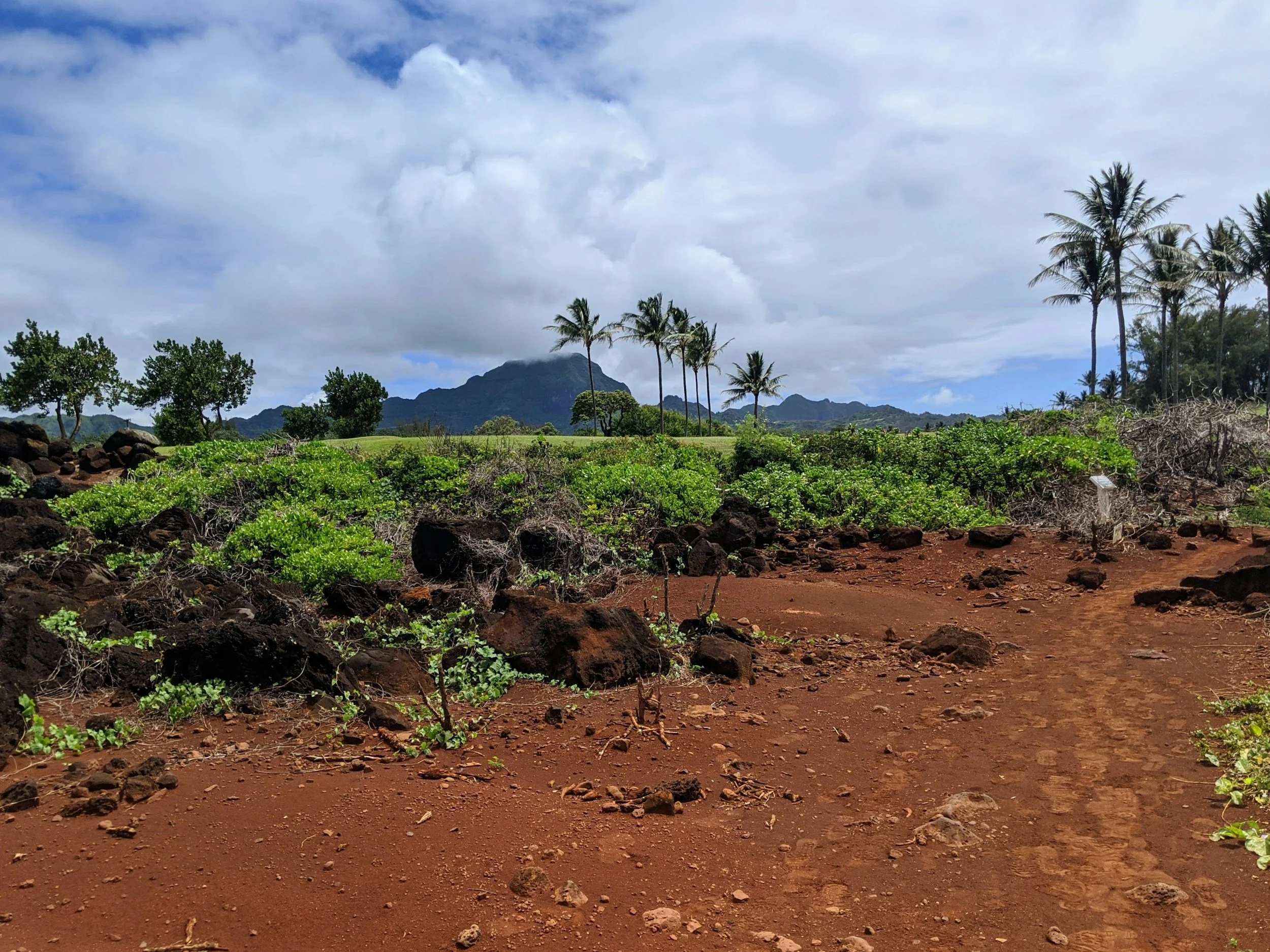
Island soils span extremes: raw, barely-there ground on young lava flows; deeply weathered, nutrient-leached soils on the older islands; and compacted, chemical-worn land left behind by a century of sugar and pineapple. The work changes with the ground beneath you.
From Lava to Loam: Building Soil on Young Volcanic Ground
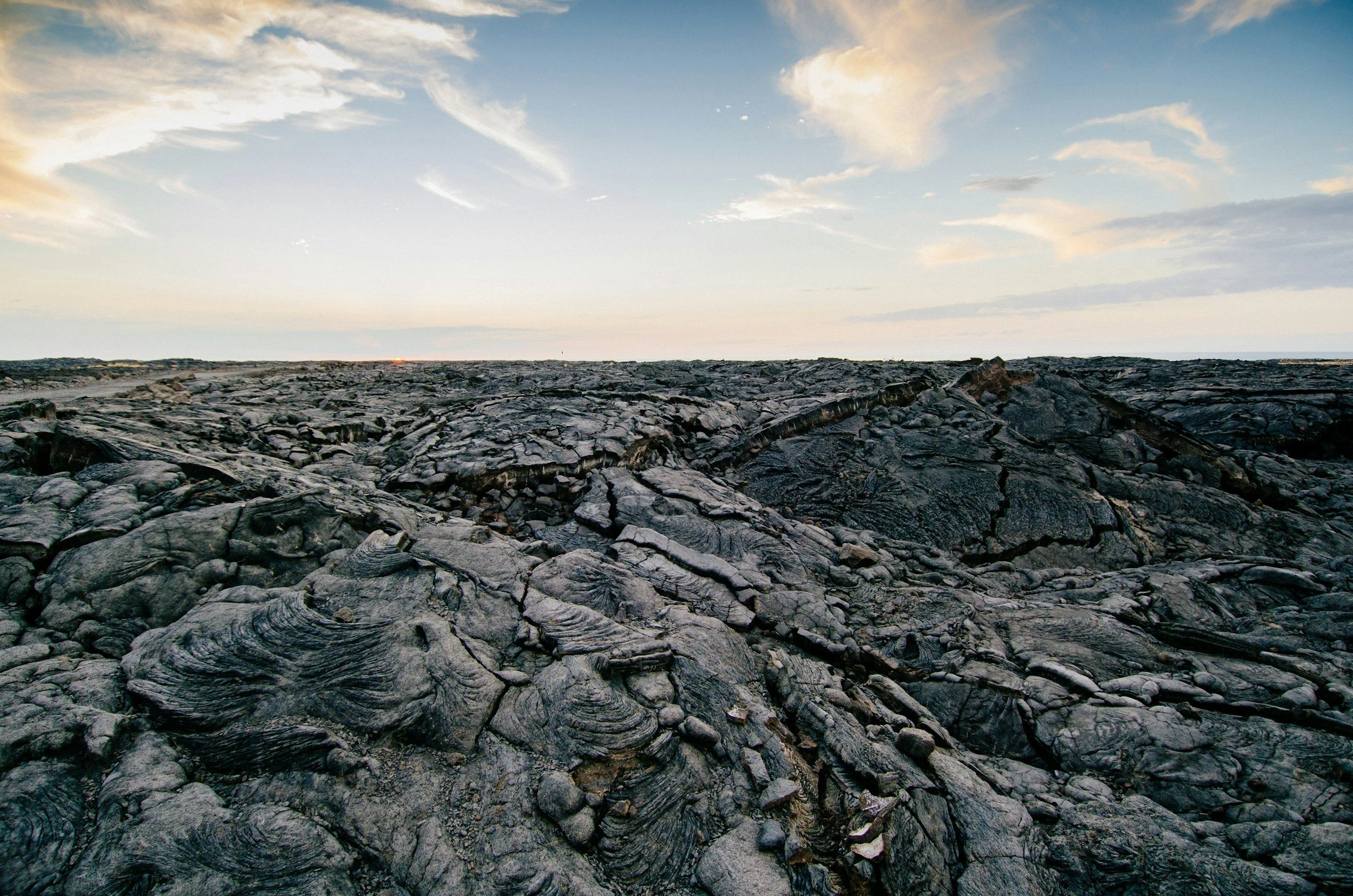
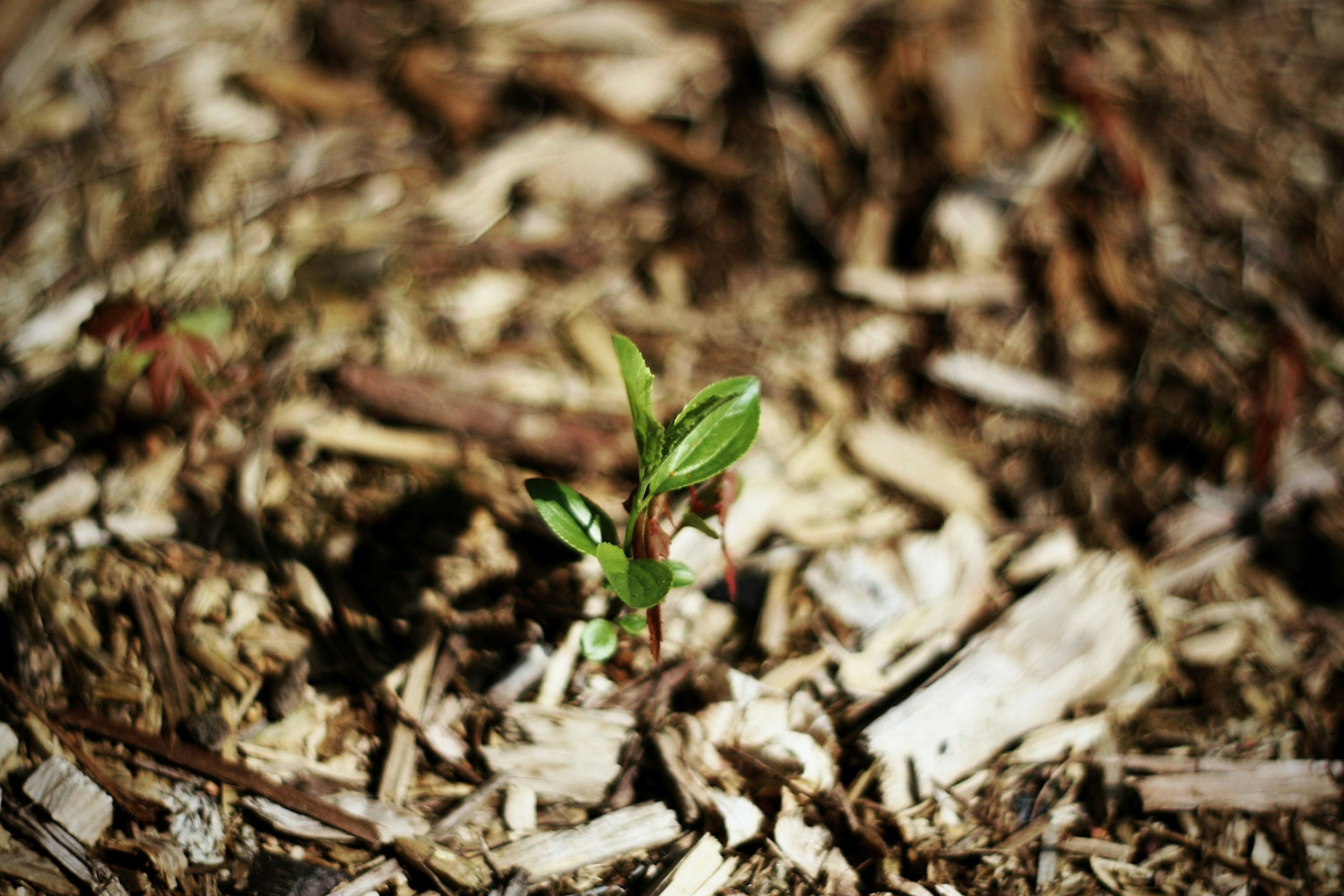
Fresh cinder, ʻaʻā, and pāhoehoe hold almost no soil and little organic matter. Building from lava means doing what ʻōhiʻa does naturally — establishing tough pioneers, adding organic matter, and holding moisture — so that, slowly, a living soil forms where there was only rock.
Composting & Mulching in the Islands' Fast Decay Cycle
The islands' rapid decomposition is a gift if you use it: chop-and-drop, heavy mulching, and composting cycle nutrients back into the soil quickly. One caution — green waste can spread invasive seeds and pests, so compost hot and know what you're moving before you move it.
After Sugar & Pineapple: Healing Old Plantation Land
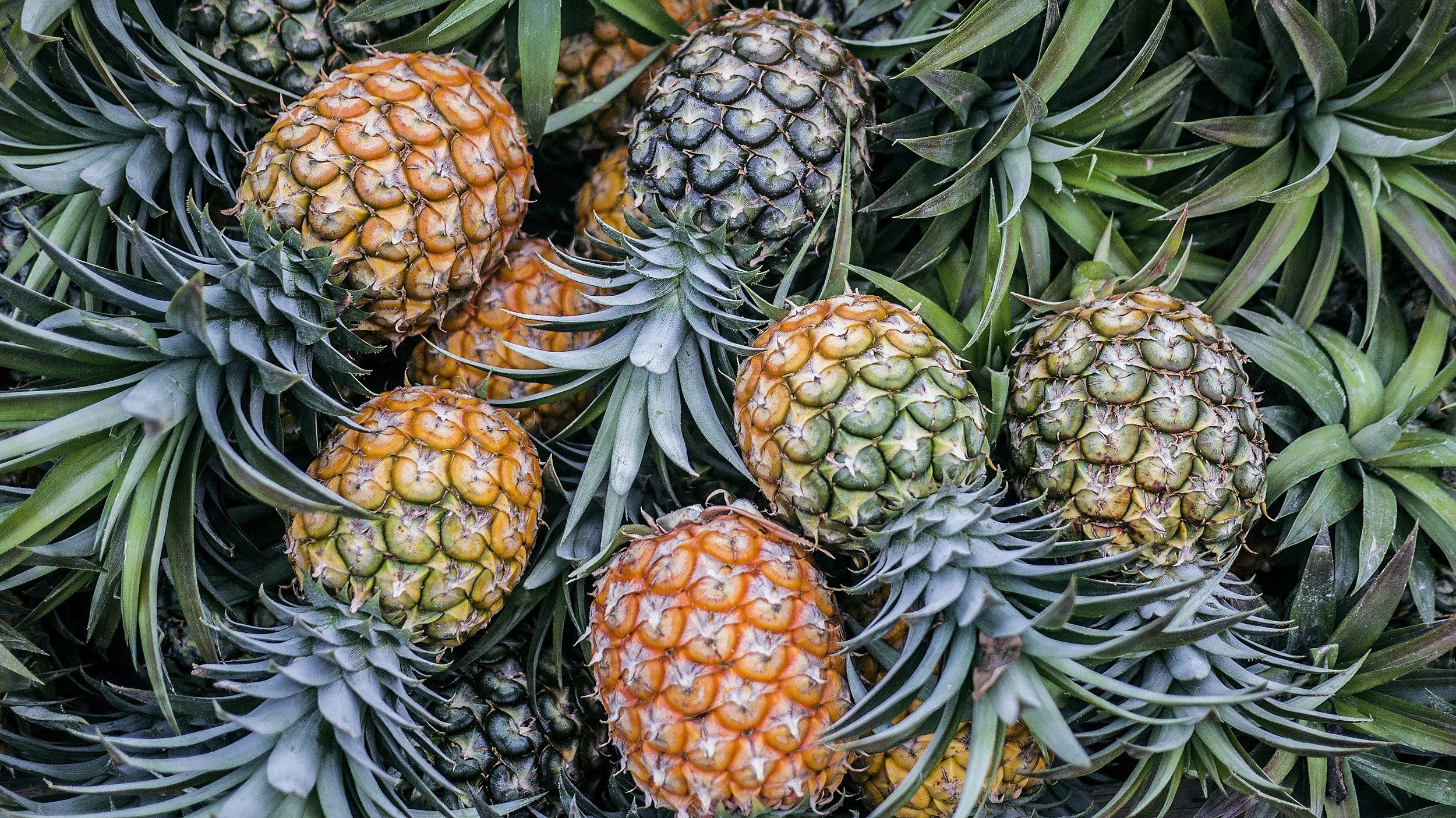
Vast stretches of the islands are former plantation ground: decades of monocropping, tillage, and chemicals left the soil compacted, biologically thin, and prone to erosion. Recovery comes from breaking compaction, getting continuous cover and living roots back in, and rebuilding organic matter season after season.
Reviving Soil Life in Fast-Cycling Island Ground
In the warm, wet tropics, organic matter breaks down fast — which means soil life has to be fed constantly to keep up. Restoring mycorrhizal fungi and soil biology through continuous cover and minimal disturbance is what turns bare or exhausted ground back into living soil.
Water Challenges: Mauka to Makai — Managing Island Water & the Ahupuaʻa
Traditional Hawaiian land was divided into ahupuaʻa — wedges running from mountain ridge to reef — because Hawaiians understood that water, soil, and life move as one system from the uplands to the sea. Island water management follows that logic: protect the source above, restore the streams in the middle, and keep sediment off the reef below.
Mauka to Makai: Restoring the Ahupuaʻa Watershed
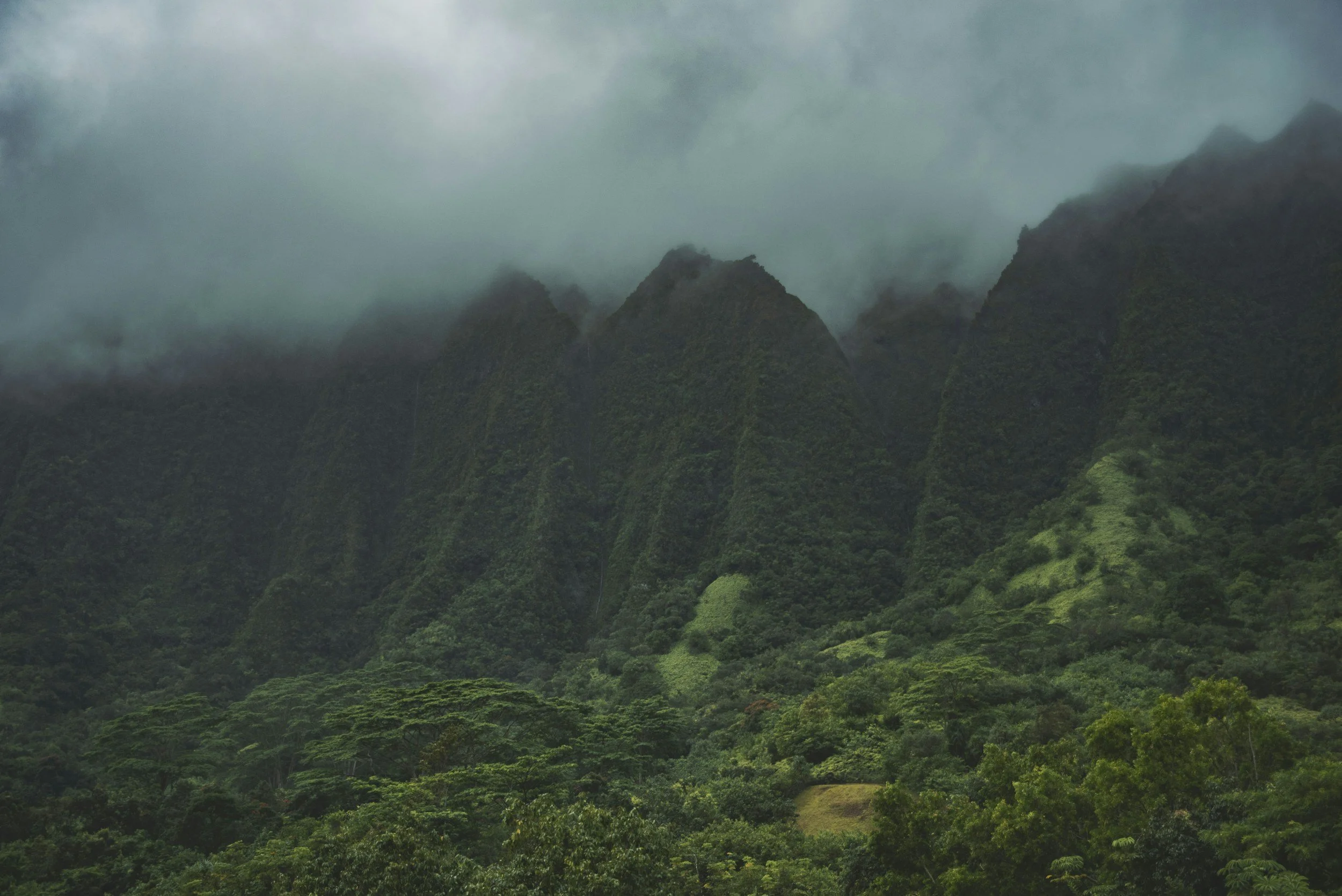
The islands' fresh water starts in the native upland forest, where ʻōhiʻa and fog drip feed the aquifer. Protecting and restoring that native forest — and removing thirsty invasives that reduce recharge — is the single most important thing you can do for water anywhere downstream in the ahupuaʻa.
Reef-Safe Land: Stopping Sediment Before It Hits the Ocean
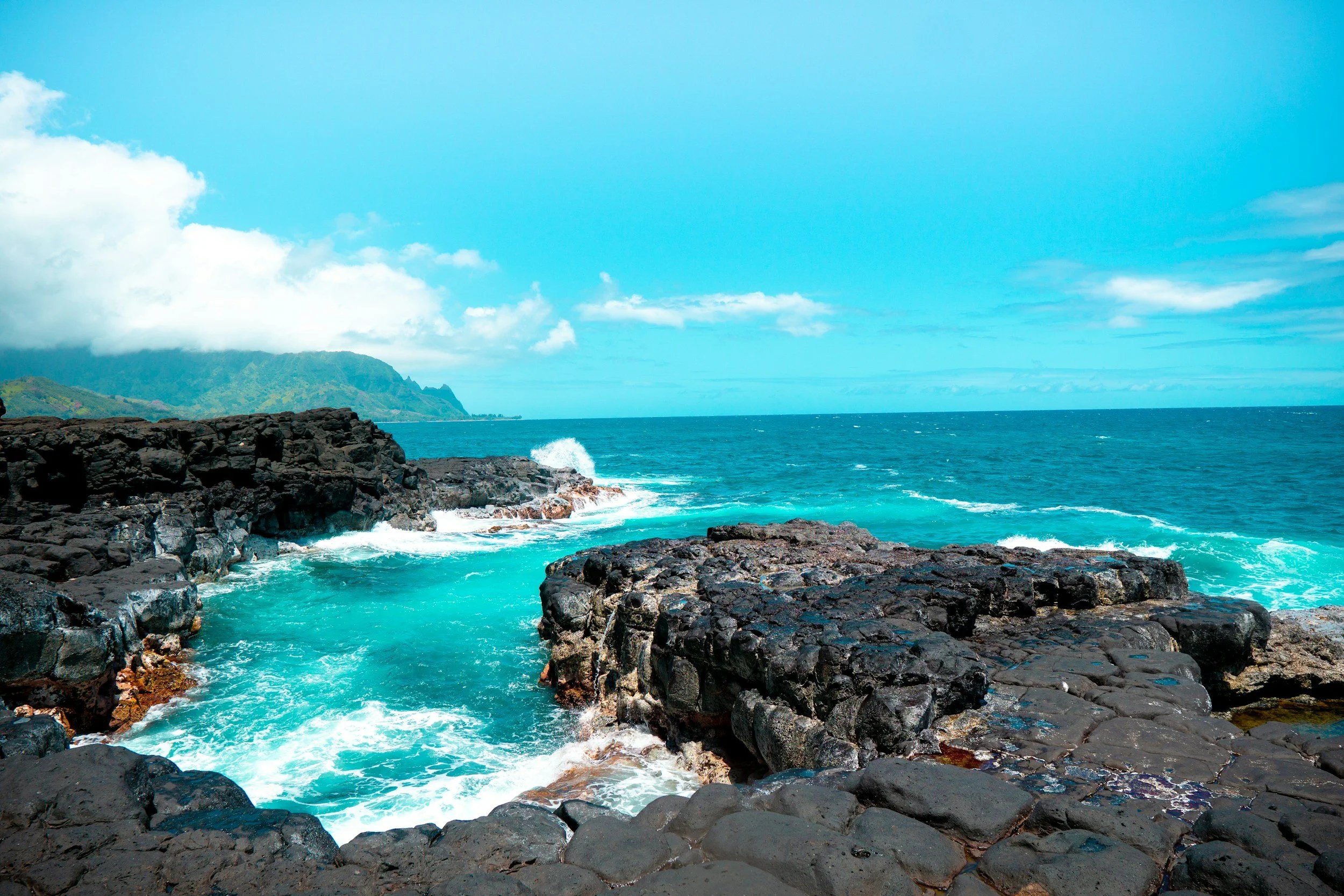
Bare, eroding soil becomes reef-smothering sediment the moment heavy rain hits it. Keeping ground covered, slowing runoff with basins and buffers, and restoring streamside vegetation means your land work protects the coral and nearshore fisheries at the bottom of the ahupuaʻa — the makai end of the system.
Restoring Loʻi: Wetland Kalo & Freshwater Systems
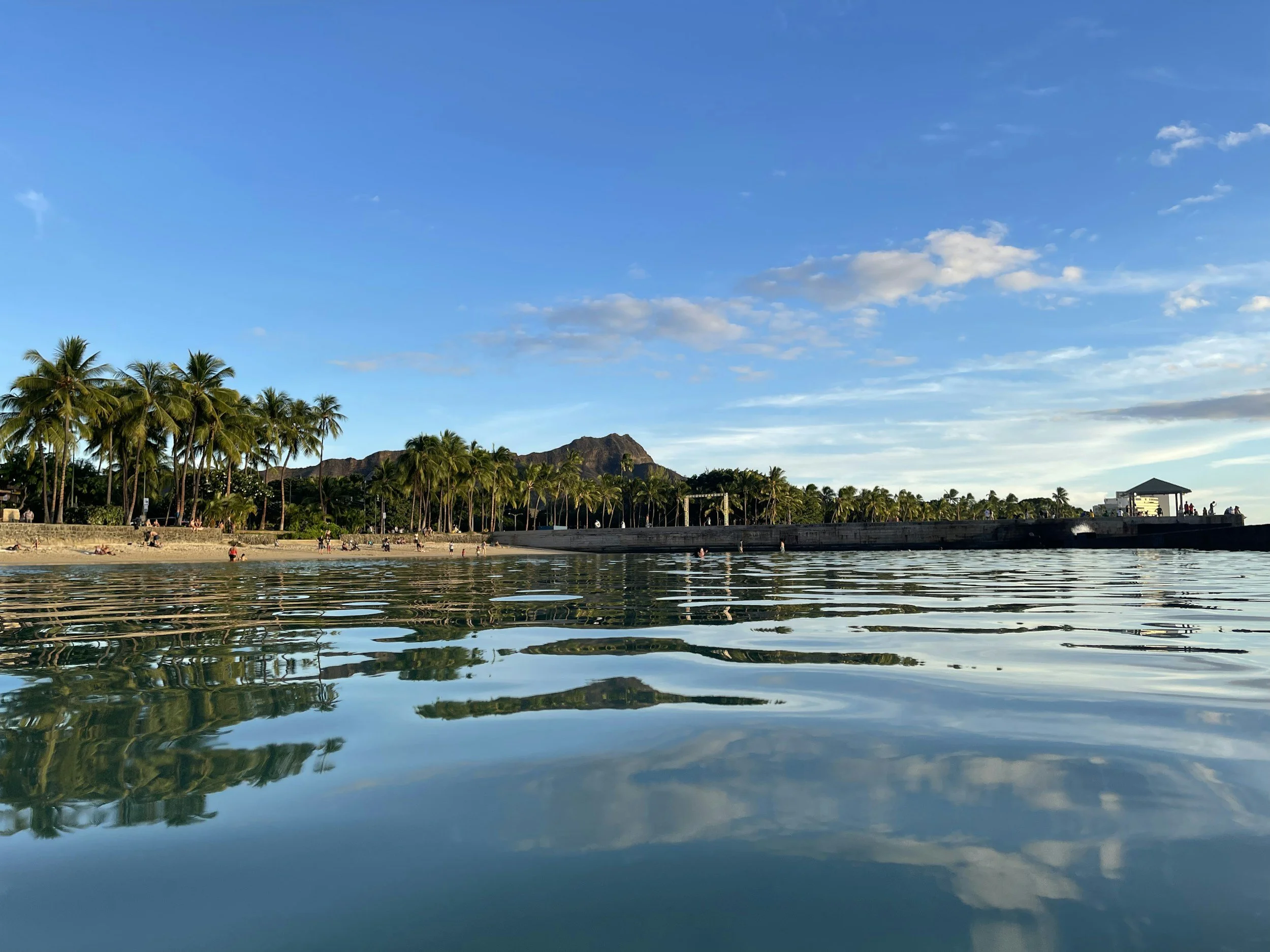
Loʻi kalo — flooded taro terraces fed by ʻauwai irrigation channels — are among the most productive and ecologically rich systems Hawaiians ever built, cooling and cleaning water as it passes through. Restoring loʻi revives freshwater habitat and cultural practice together. Water rights here are legally and culturally complex, so work with local practitioners and confirm your rights before diverting any stream.
Firewise Islands: Reducing Fire Risk on Dry Leeward Land
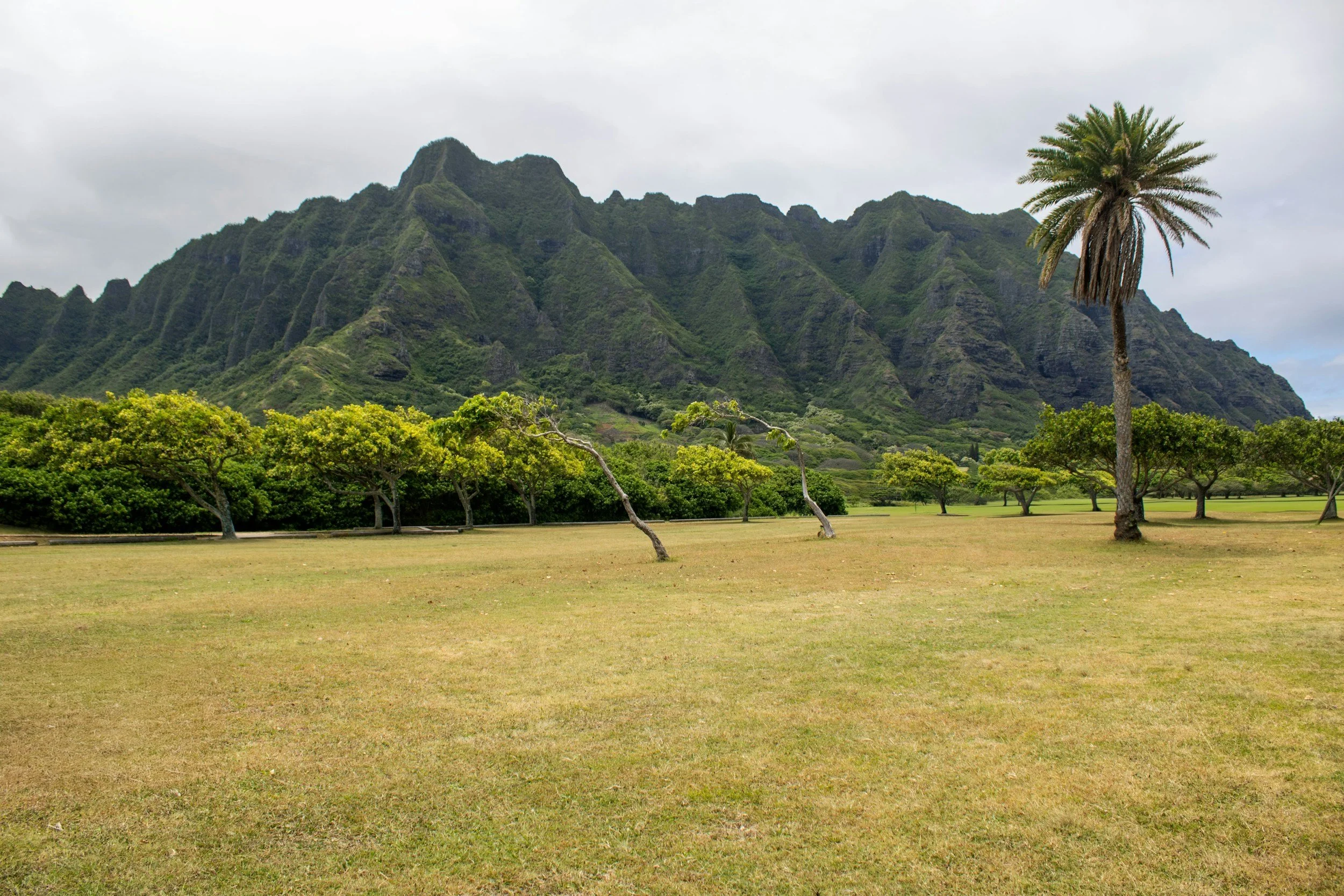
Dry leeward slopes, abandoned plantation land, and invasive grasses have made wildfire a growing island danger, as recent tragedy has made painfully clear as the Lahaina community continues to rebuild. Firewise restoration means replacing fire-prone non-native grass with native, fire-resilient plantings, managing fuel loads near homes, and keeping the land greener and more resilient deeper into the dry season.
Start With Your Land
Every island property sits somewhere different in the ahupuaʻa, and the fastest path to restoration starts with what you already have. Book a consultation and we'll read your soil, water, native plants, and place in the watershed together, then map a practical, staged plan — mauka to makai.